ABOUT
My name is Ahmed Elsheshtawy. I am an Electrical Engineering student at Qatar University on an Admission Scholarship. with a strong interest in practical applications of communication systems and power electronics. I am currently in the early stages of my Electrical Engineering degree and look forward to developing deeper expertise in communication systems and power electronics as I progress through my coursework. Additionally, I am quite interested in exploring how electrical engineering connects with other disciplines, especially mechanical engineering, to develop innovative, real-world solutions.
EDUCATION
 Qatar University
January 2025 - June 2029
B.Sc. in Electrical Engineering
Let's connect
If you'd like to contact me regarding anything, projects, opportunities, etc., feel free to reach out via email or phone:
 NI'MA
NI'MA
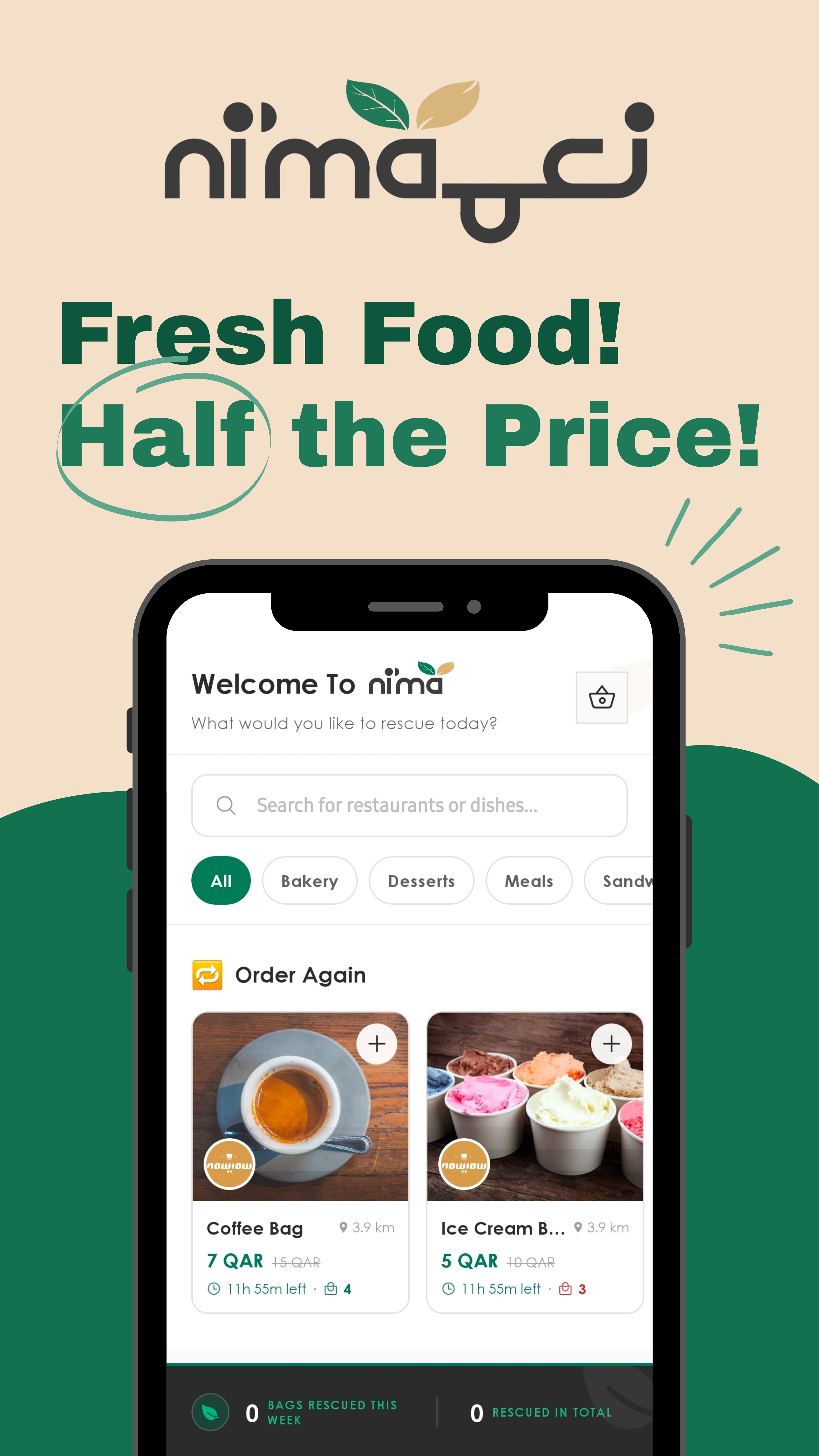
 Qatar's First Food Rescue App
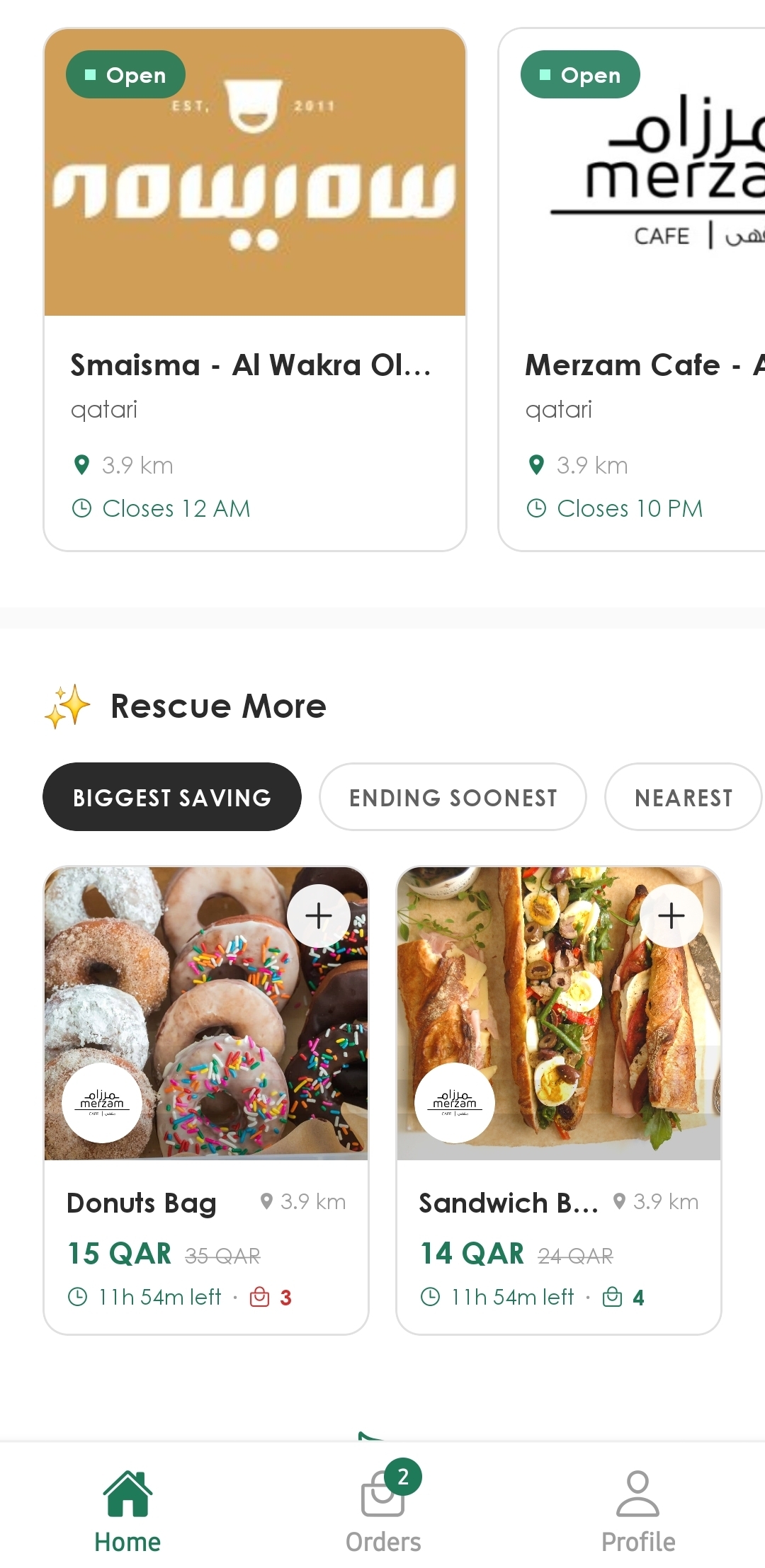
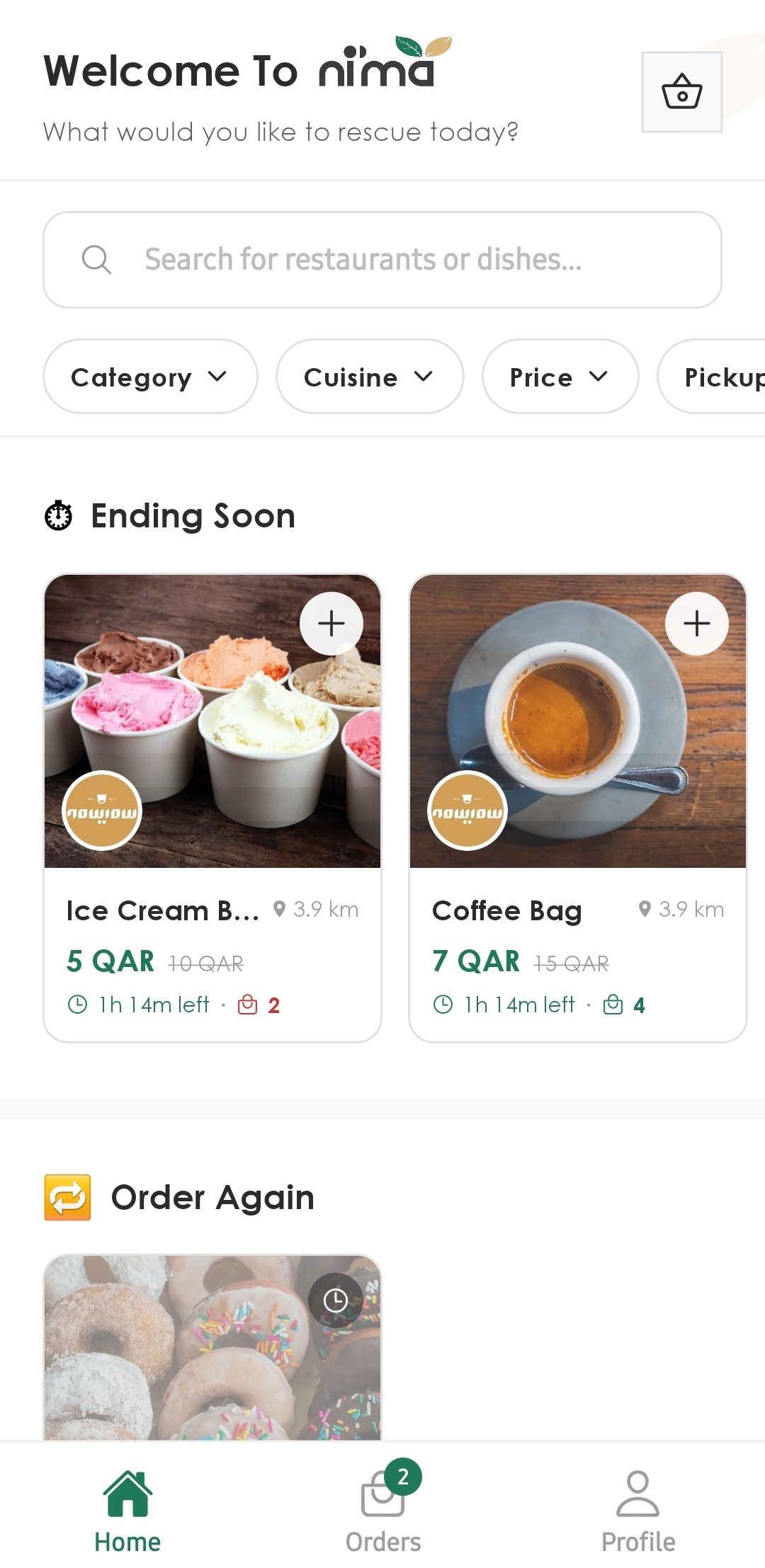
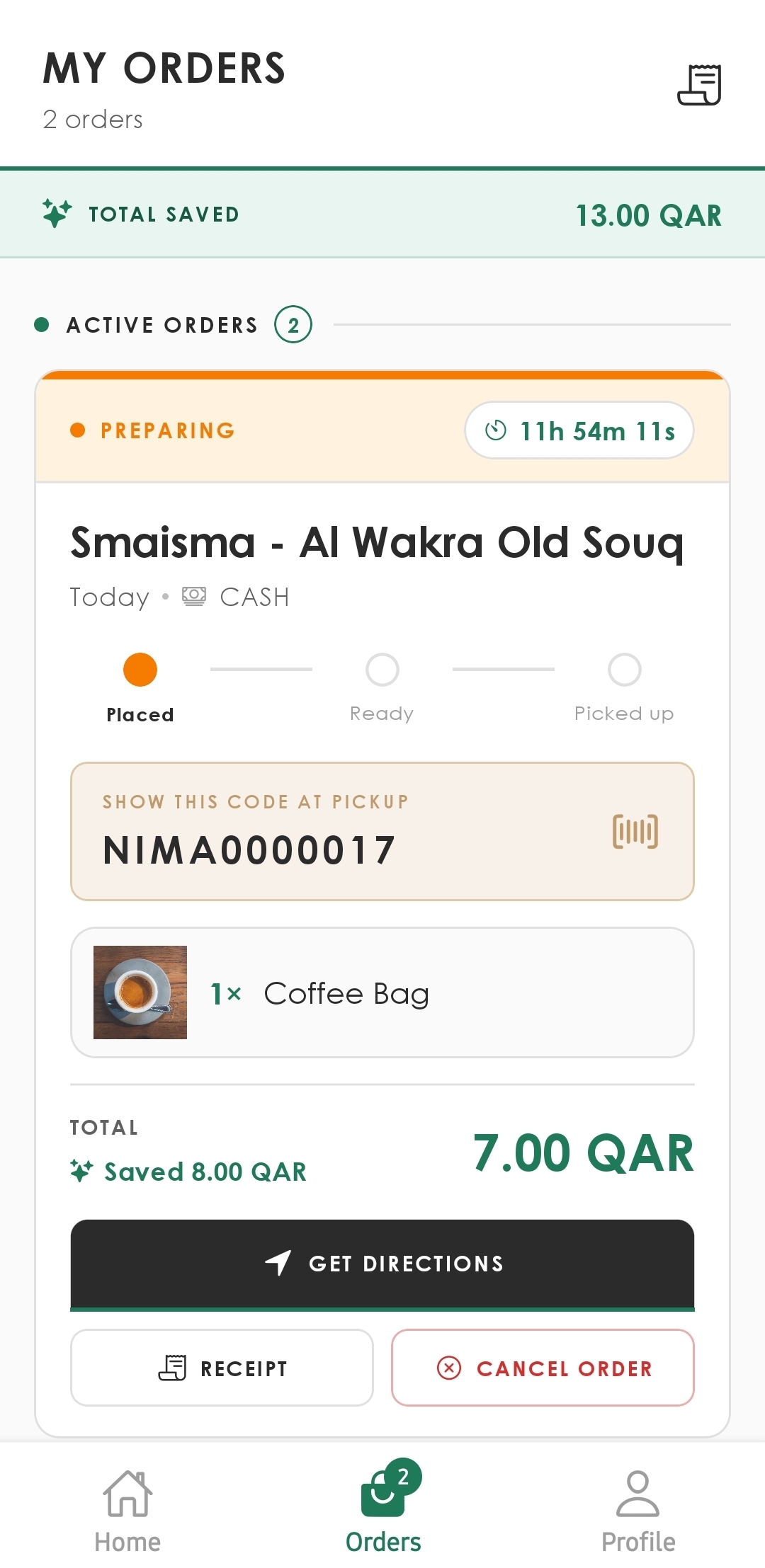
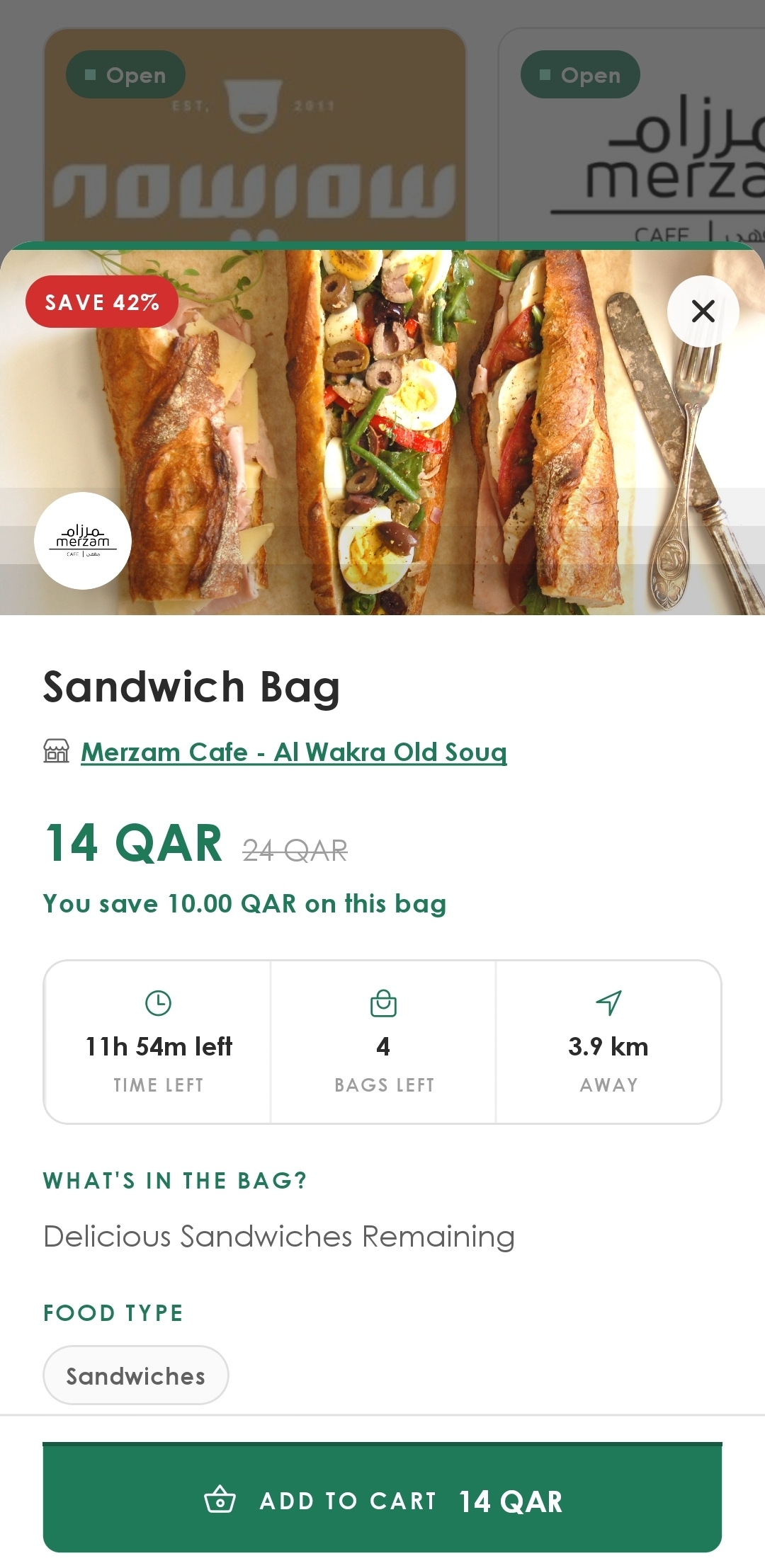
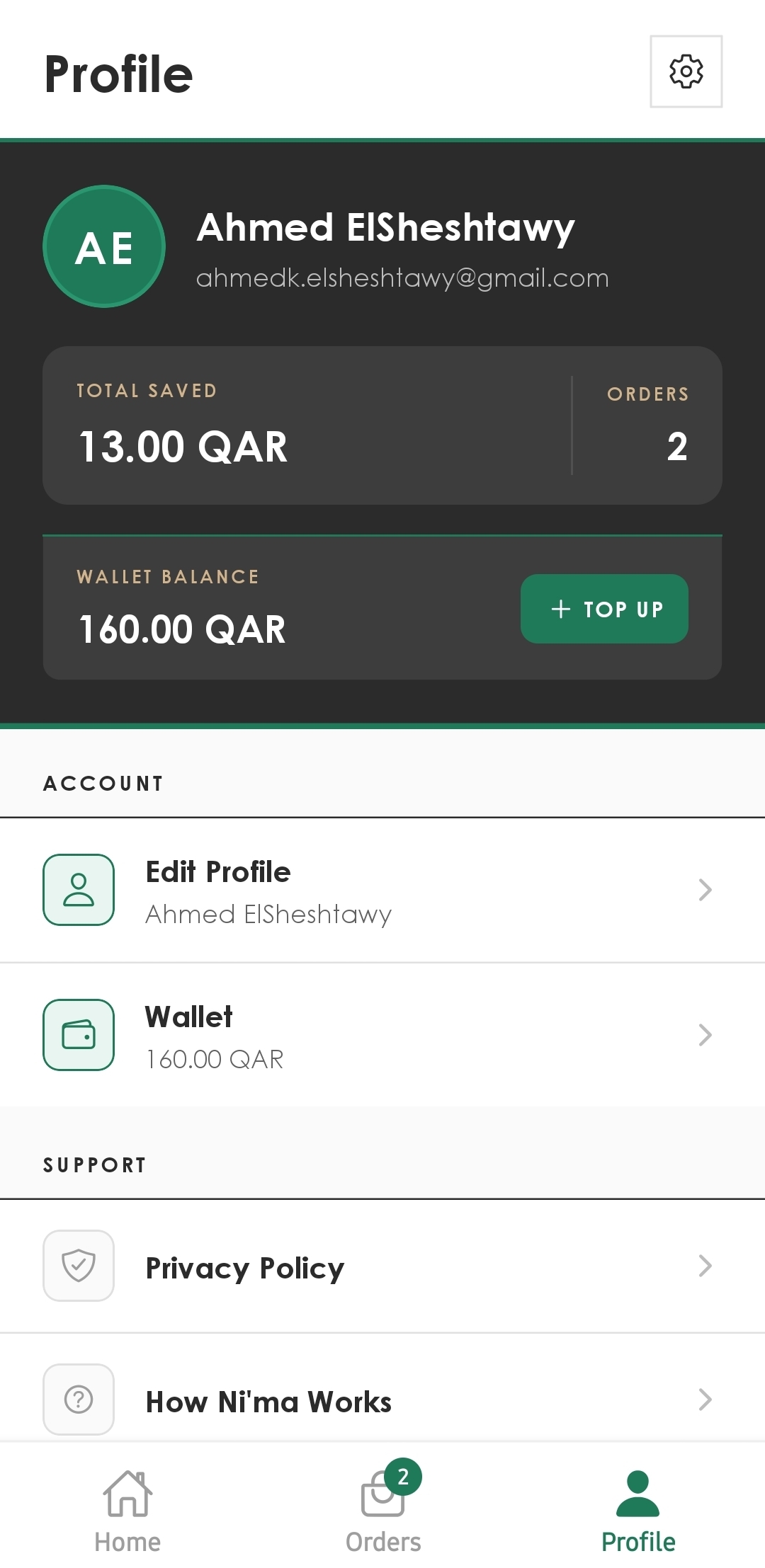
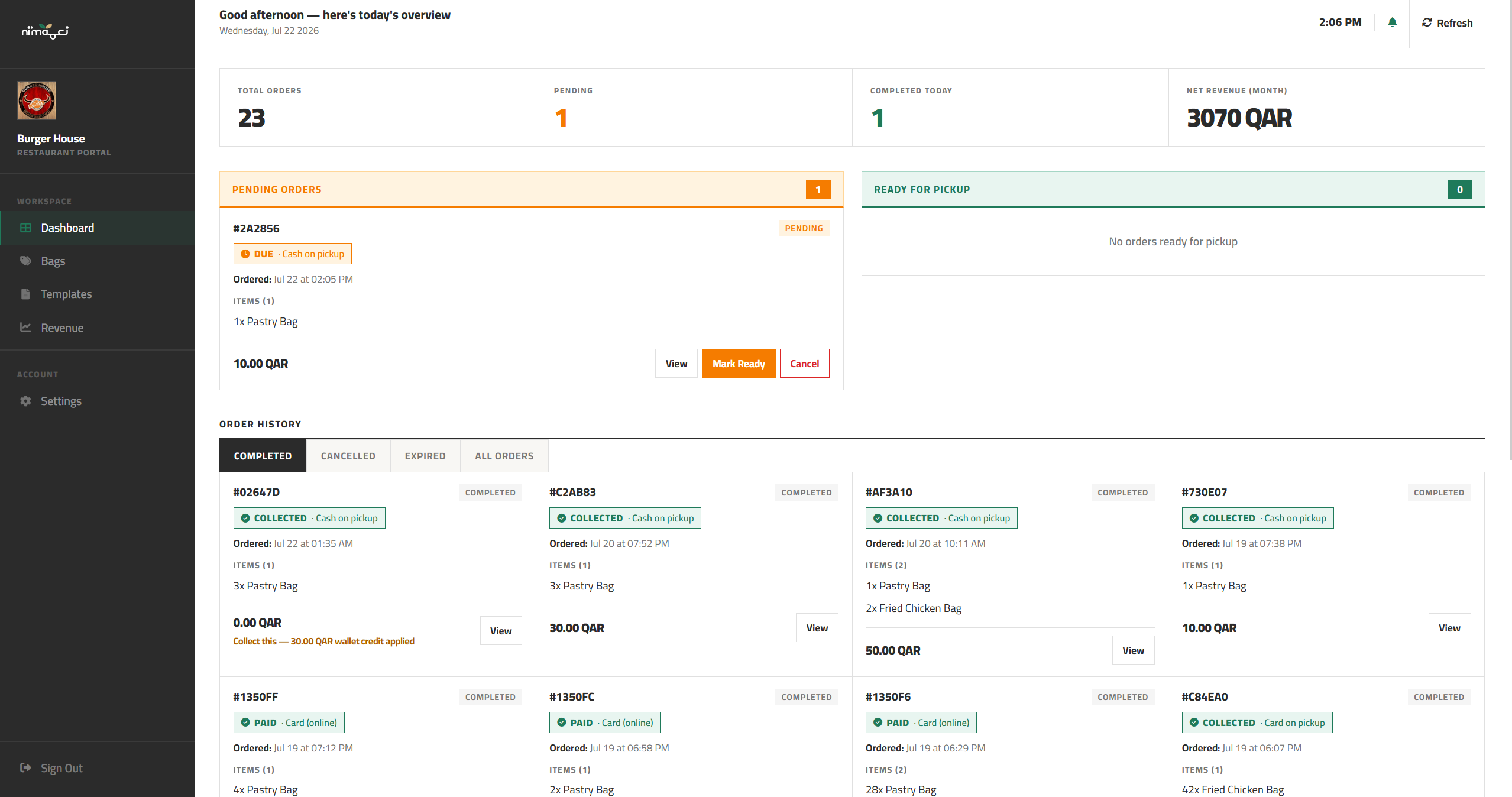
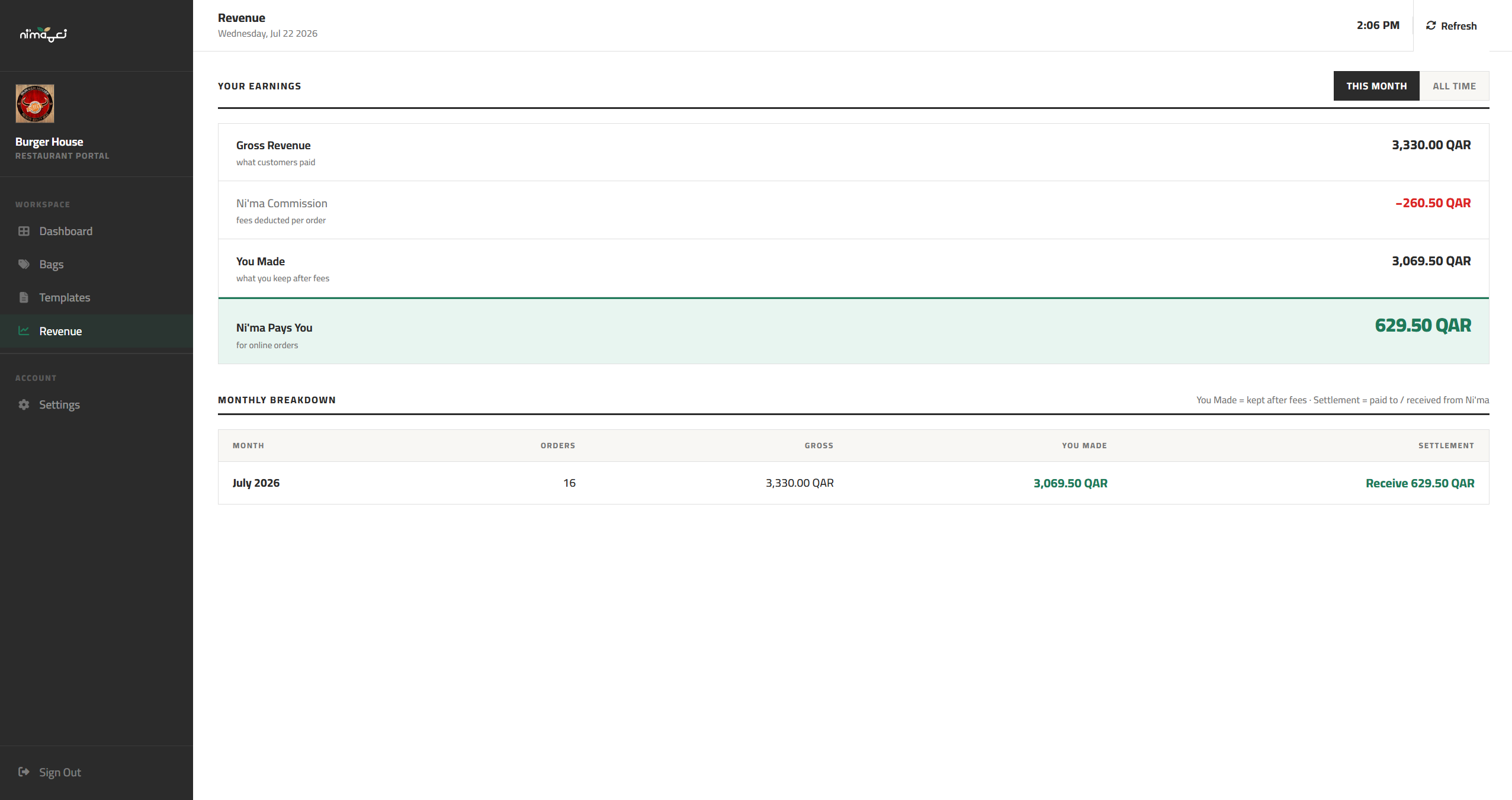
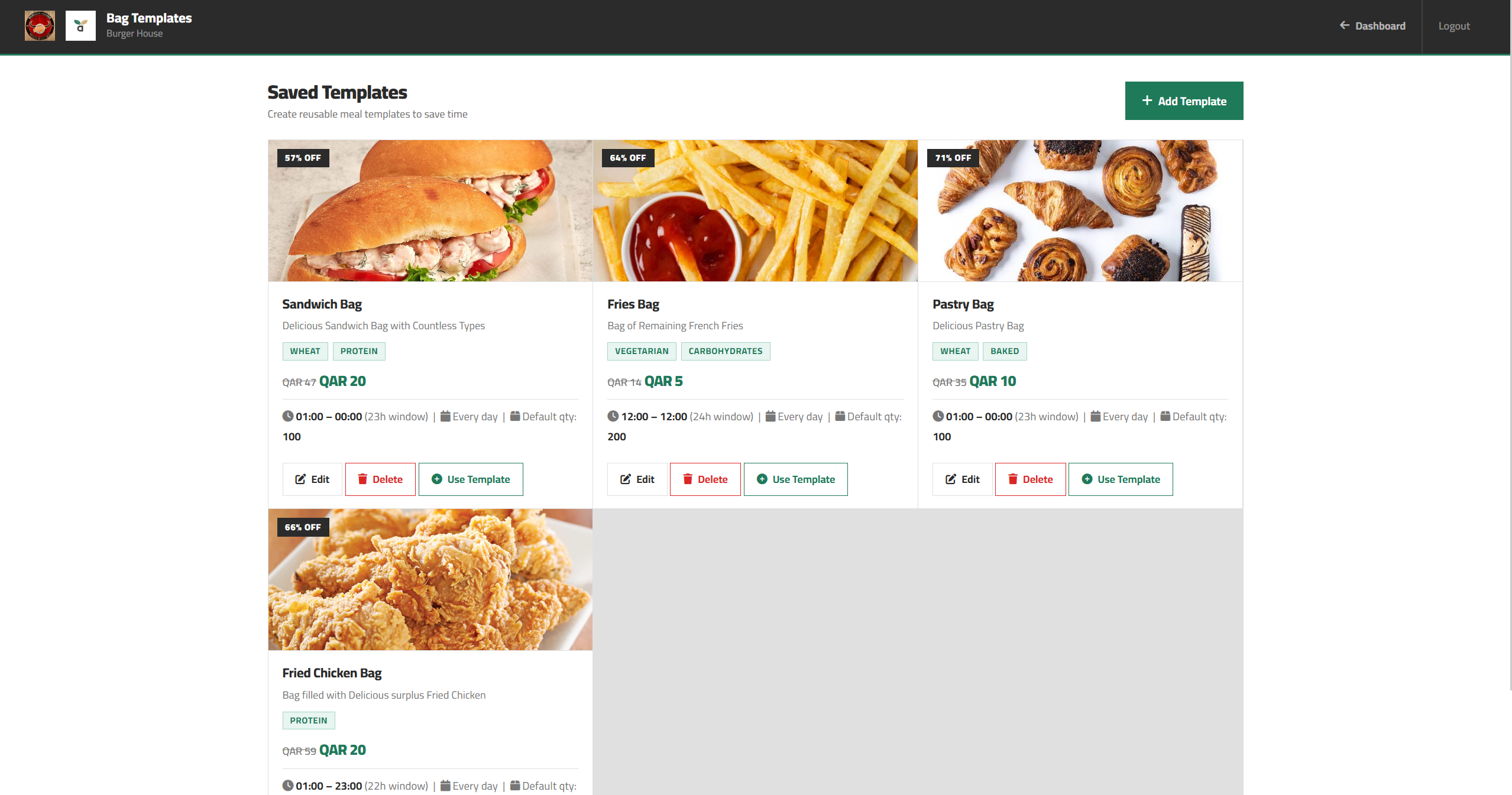
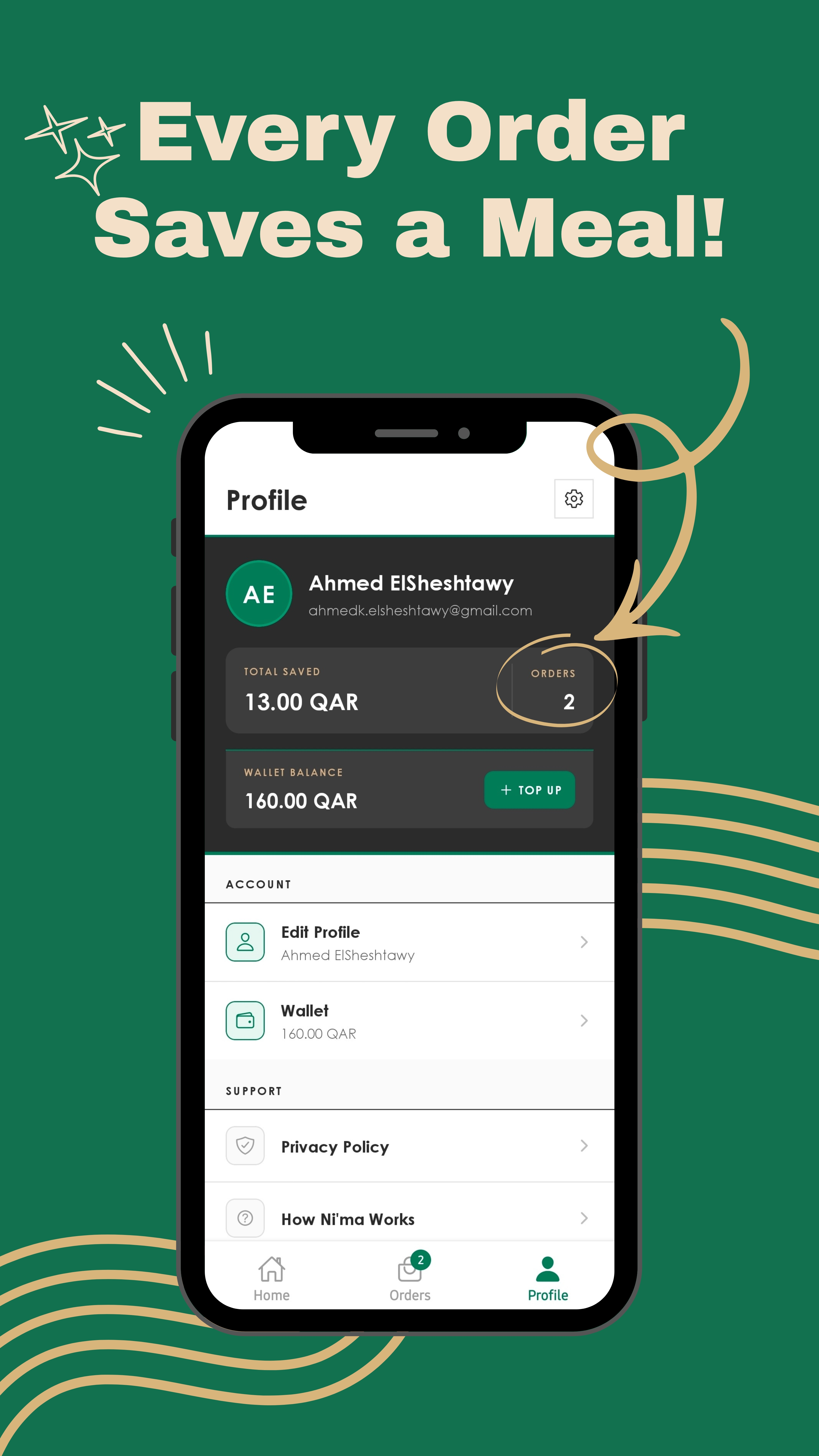
Ni'ma (نعمة) is our start-up. The platform connects people with surplus food from Qatar's best restaurants at up to 70% off before it goes to waste. I built the full-stack system behind it — the customer mobile app, the restaurant partner dashboard, the admin dashboard, and the Backend that powers the whole operation. Read more at nima.qa.
CUSTOMER MOBILE APP
RESTAURANT DASHBOARD
ADMIN DASHBOARD
:)MARKETING CAMPAIGN



PROJECTS
WEB DEVELOPMENT
Humanitarian AI Observatory
December 2025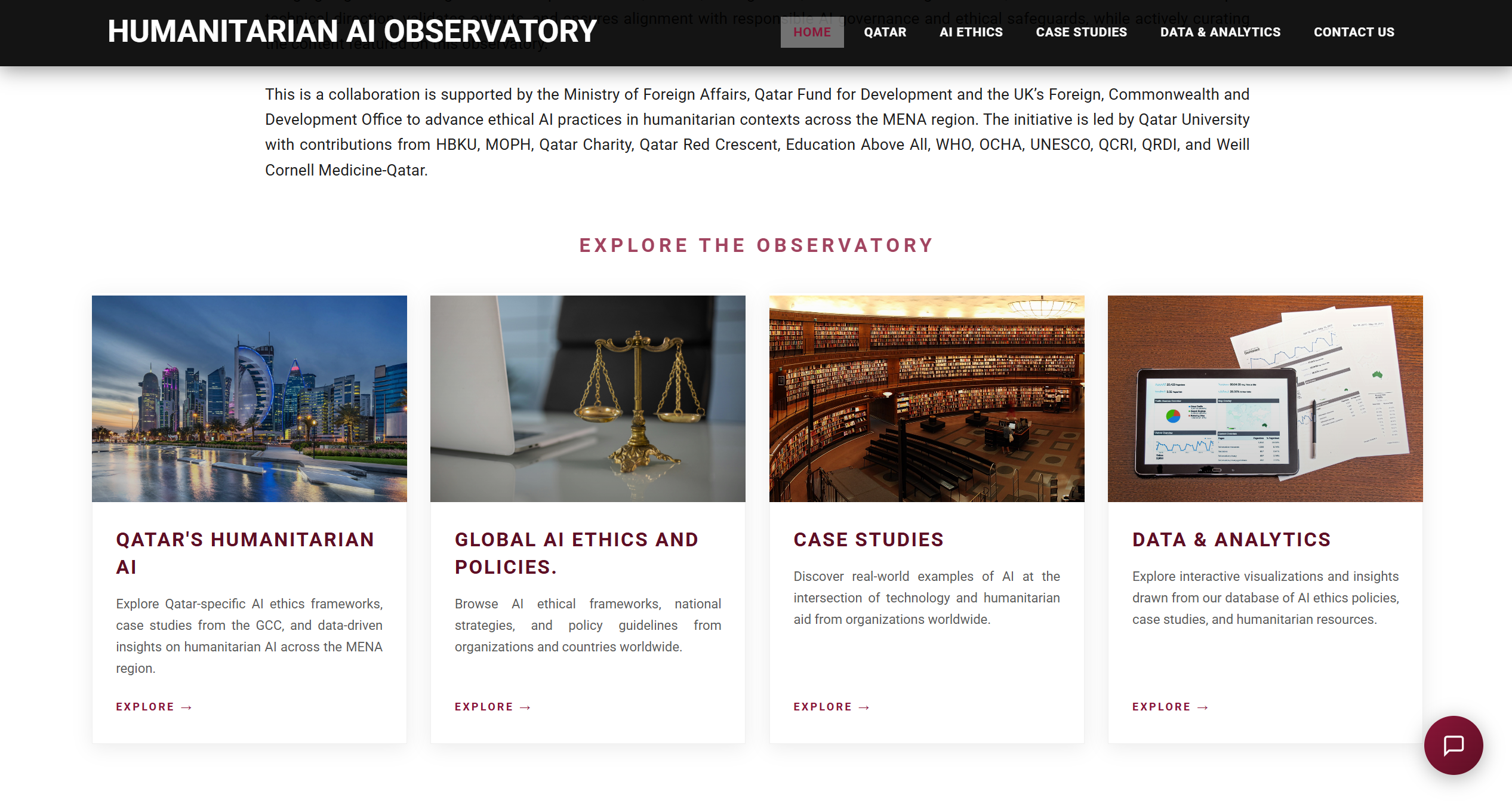
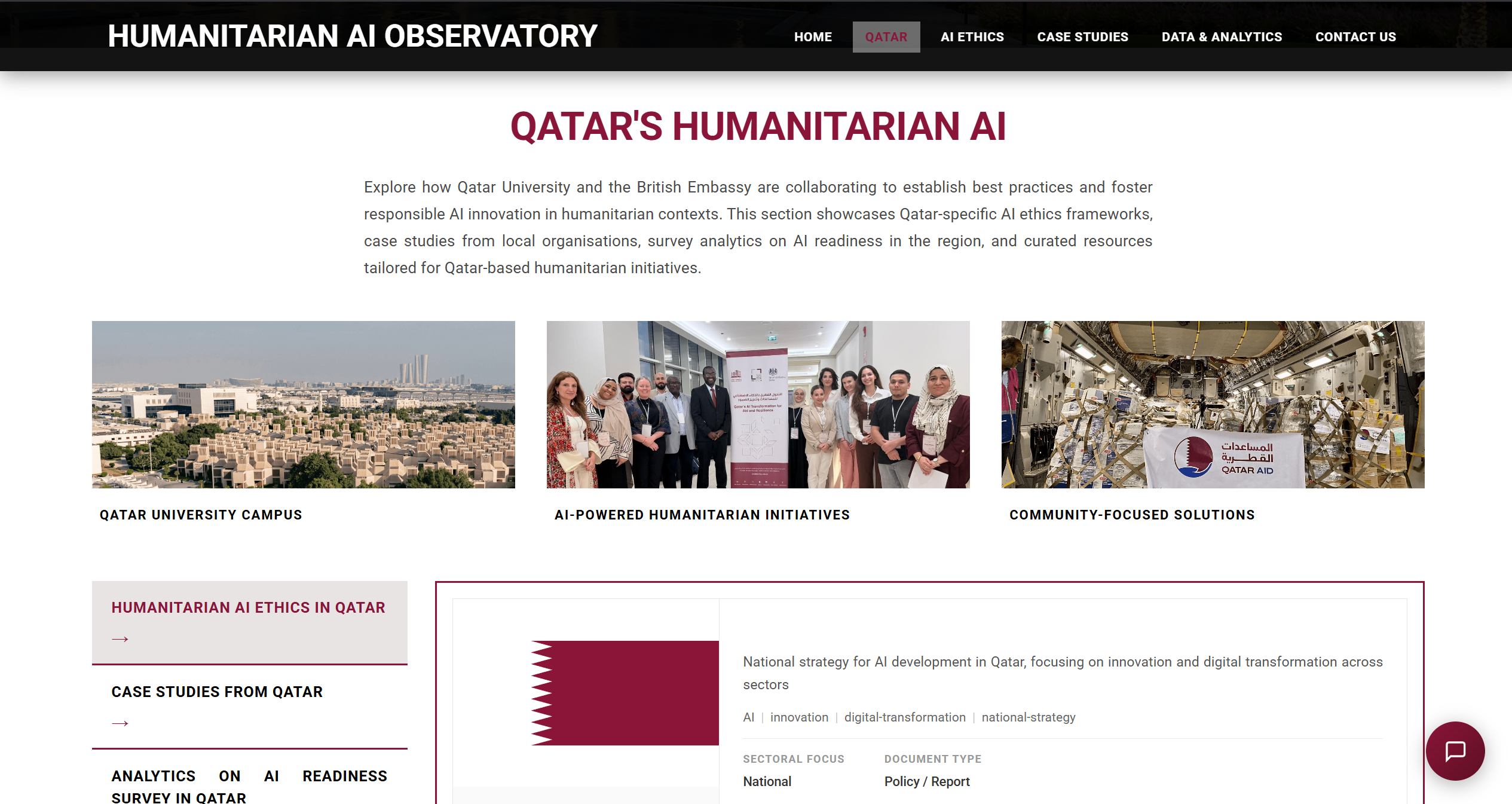
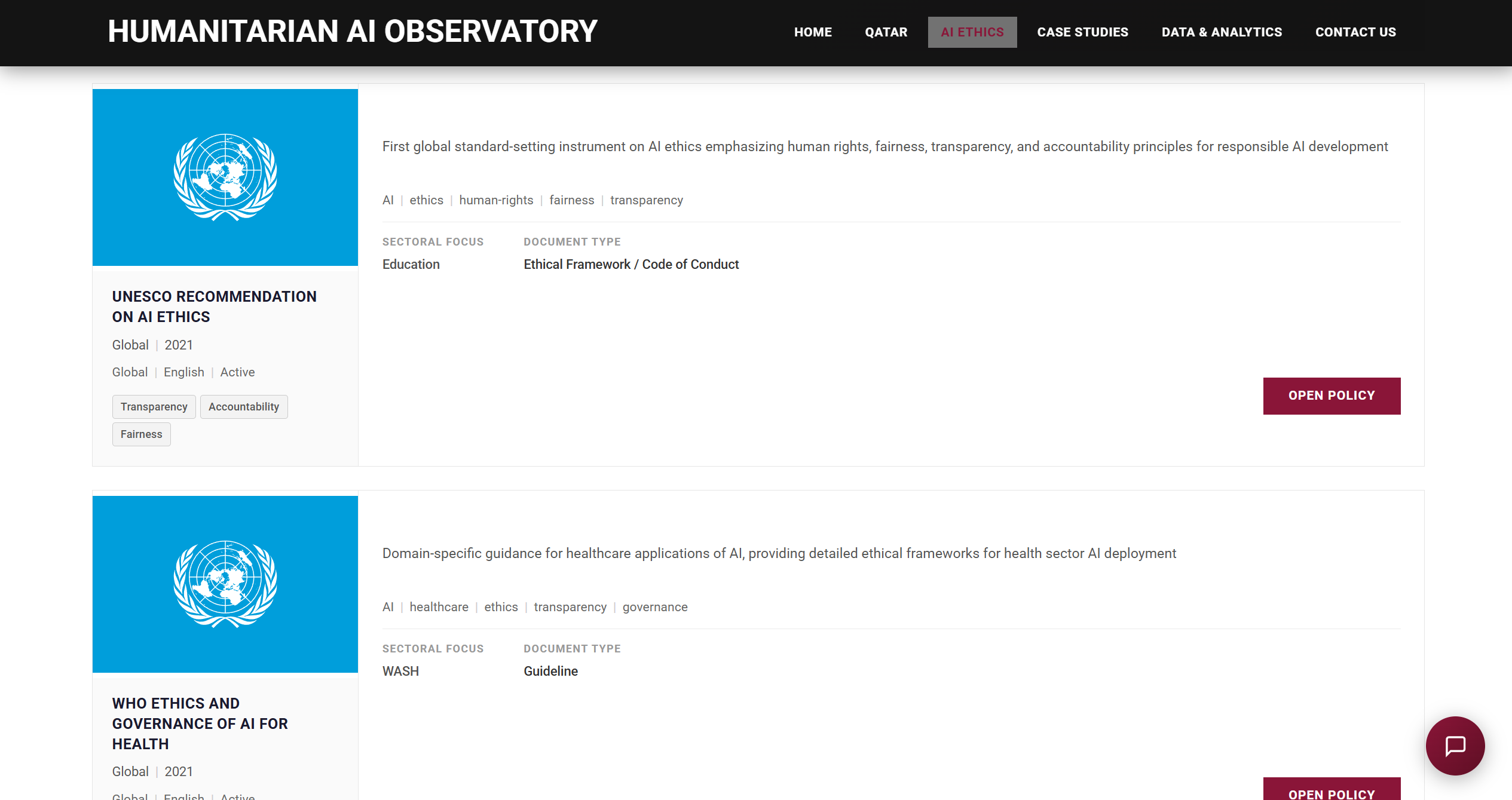
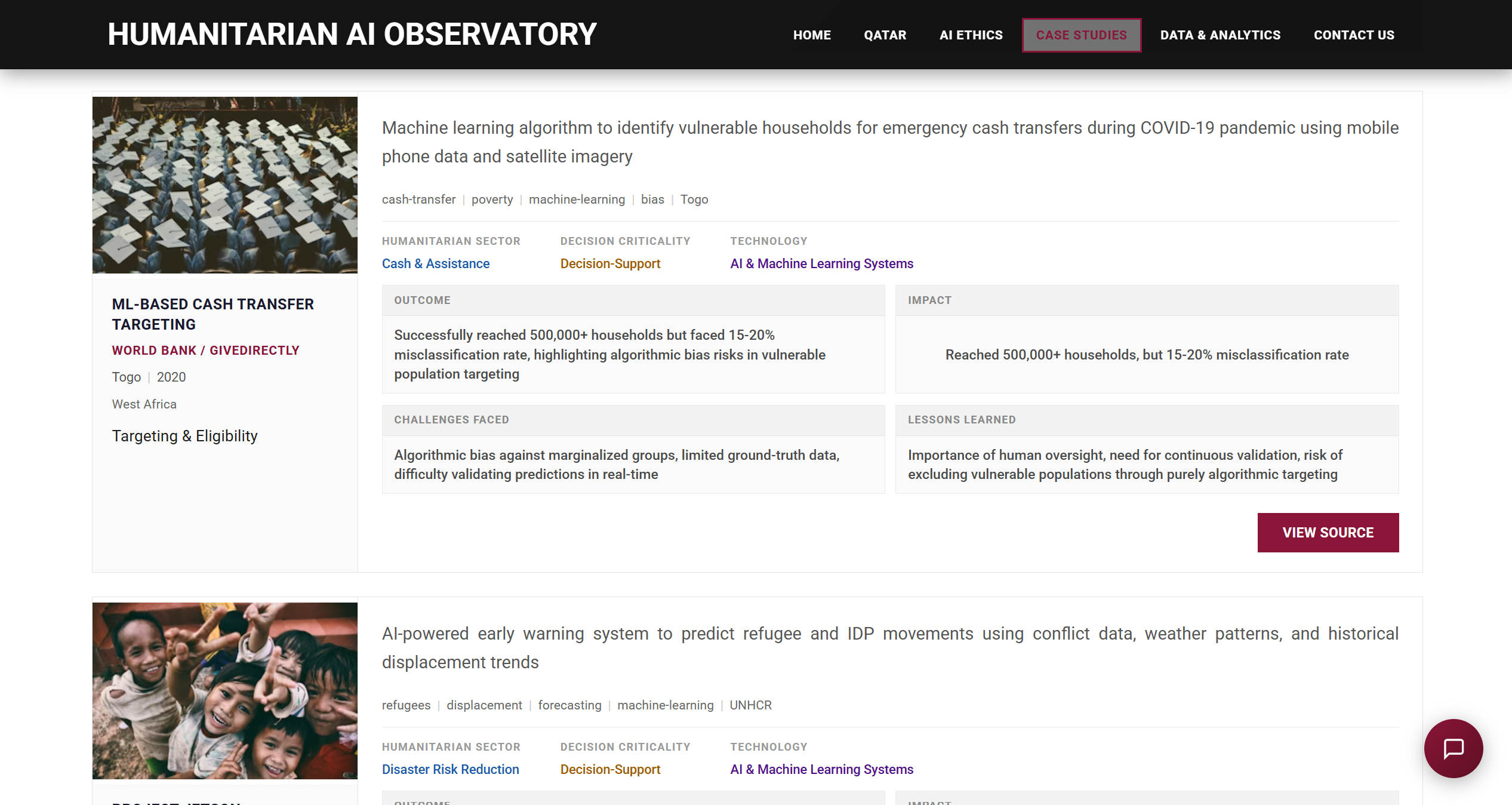
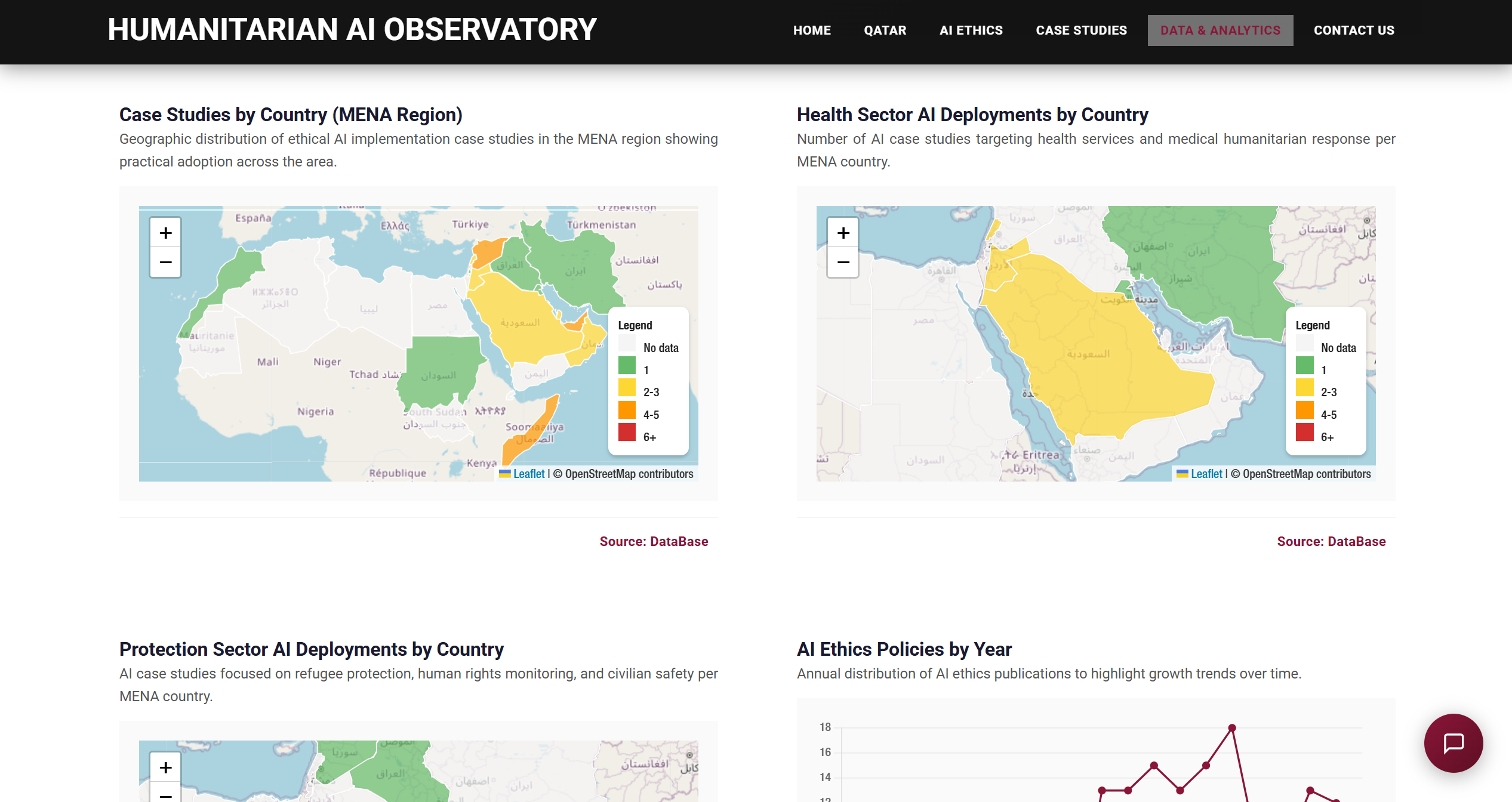
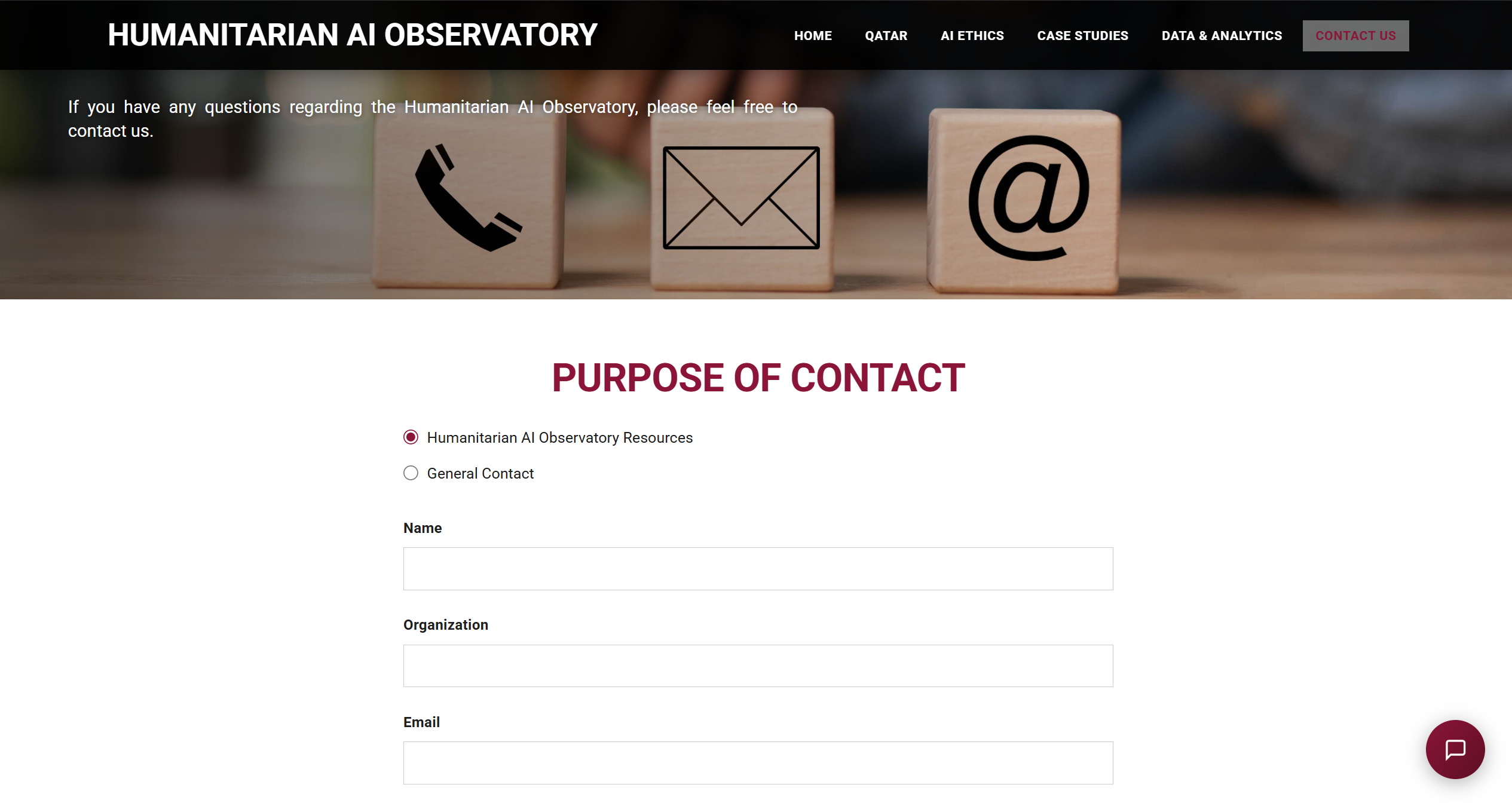
I developed a full-stack observatory that was part of a collaboration between Qatar University and the British Embassy in Qatar. The observatory features aggregation of many Ethical AI Policies, Case Studies, and Resources. In addition, it includes Data & Analytics of important trends regarding the growth of Humanitarian AI in the MENA region. There is also Musaaed, your personal AI Assistant that will help you overall with your experience. The website also features AI scraping and an Admin Page to manage pending content.
Masdar QU (Qatar University Educational Content)
December 2025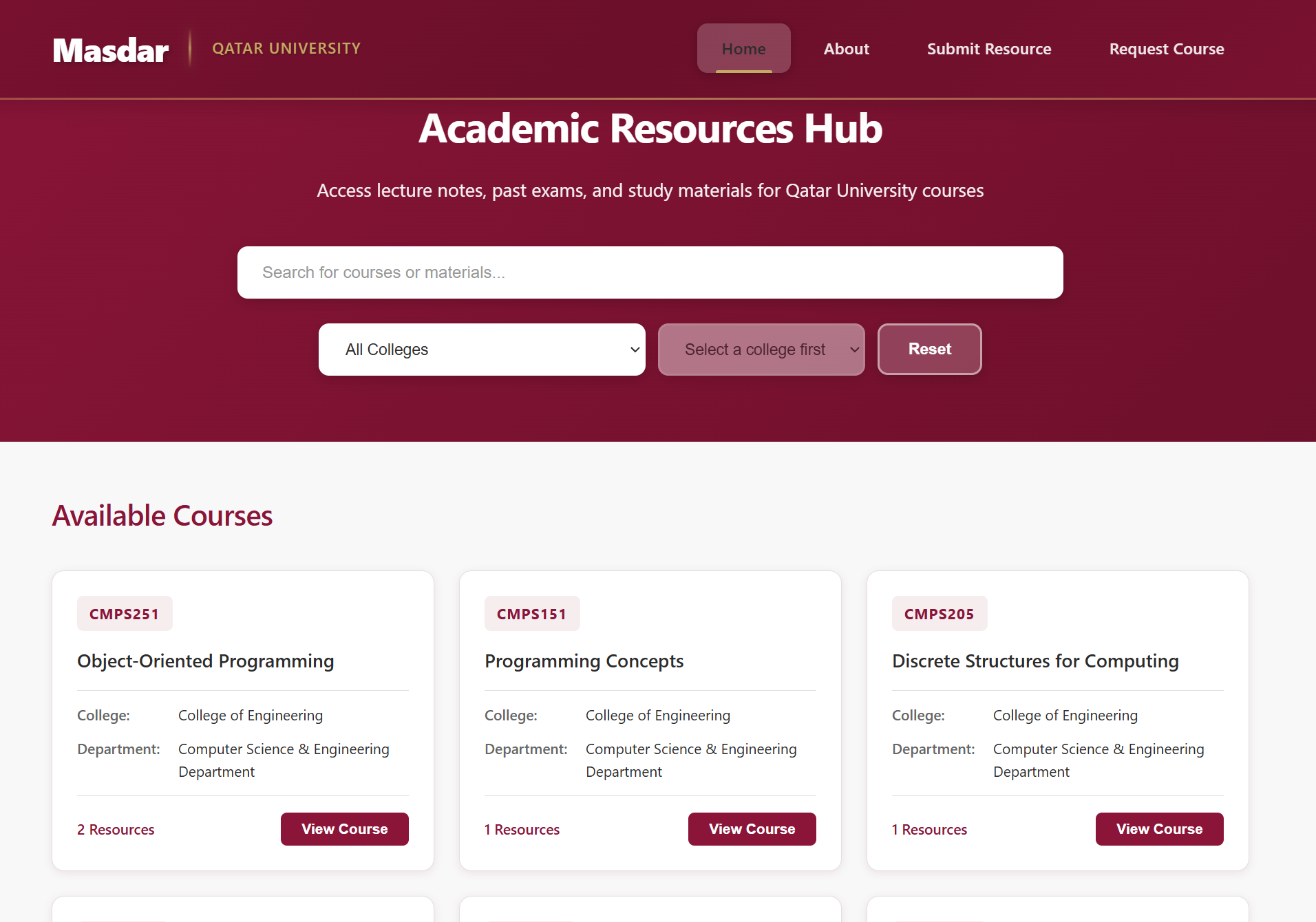
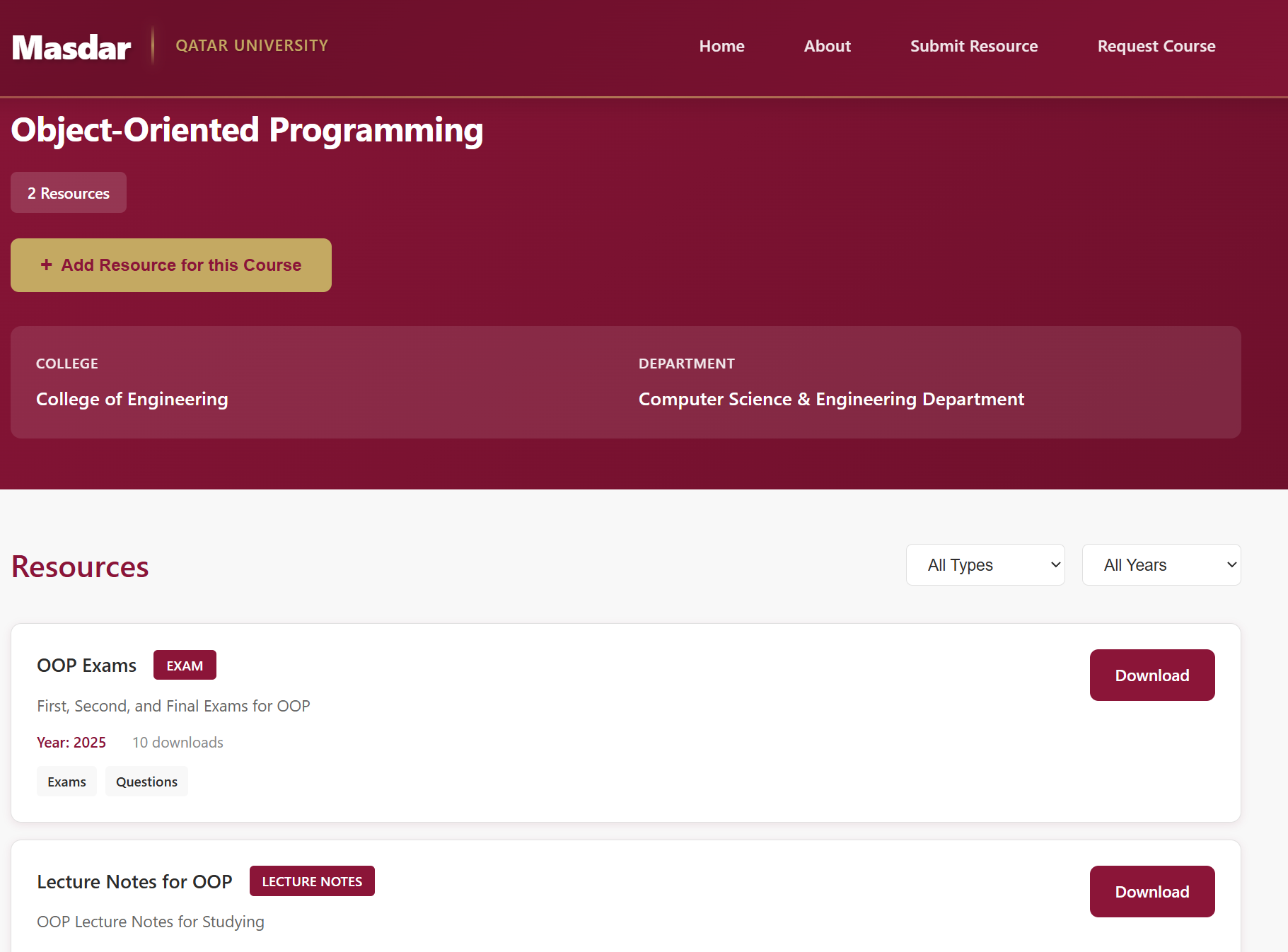
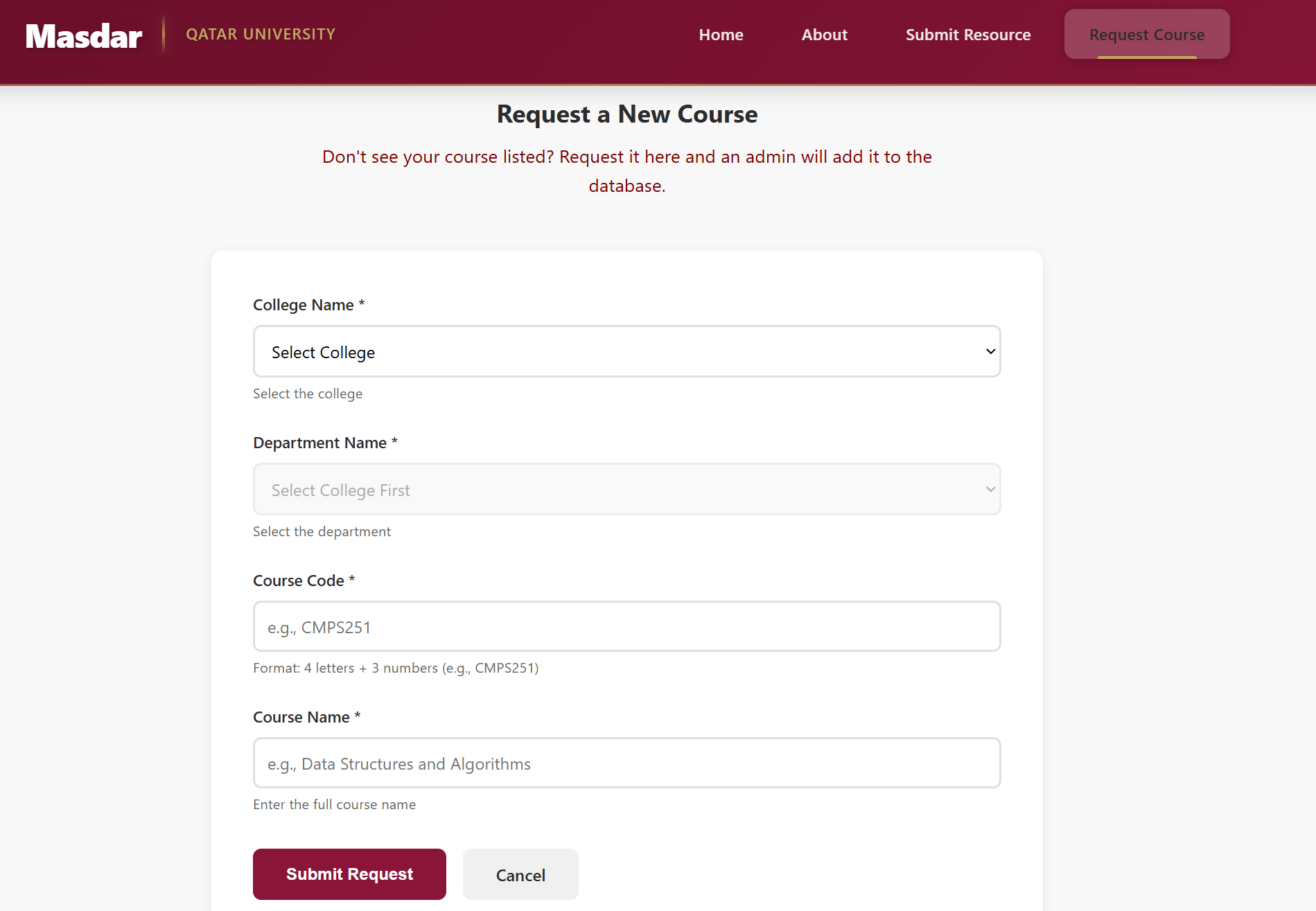

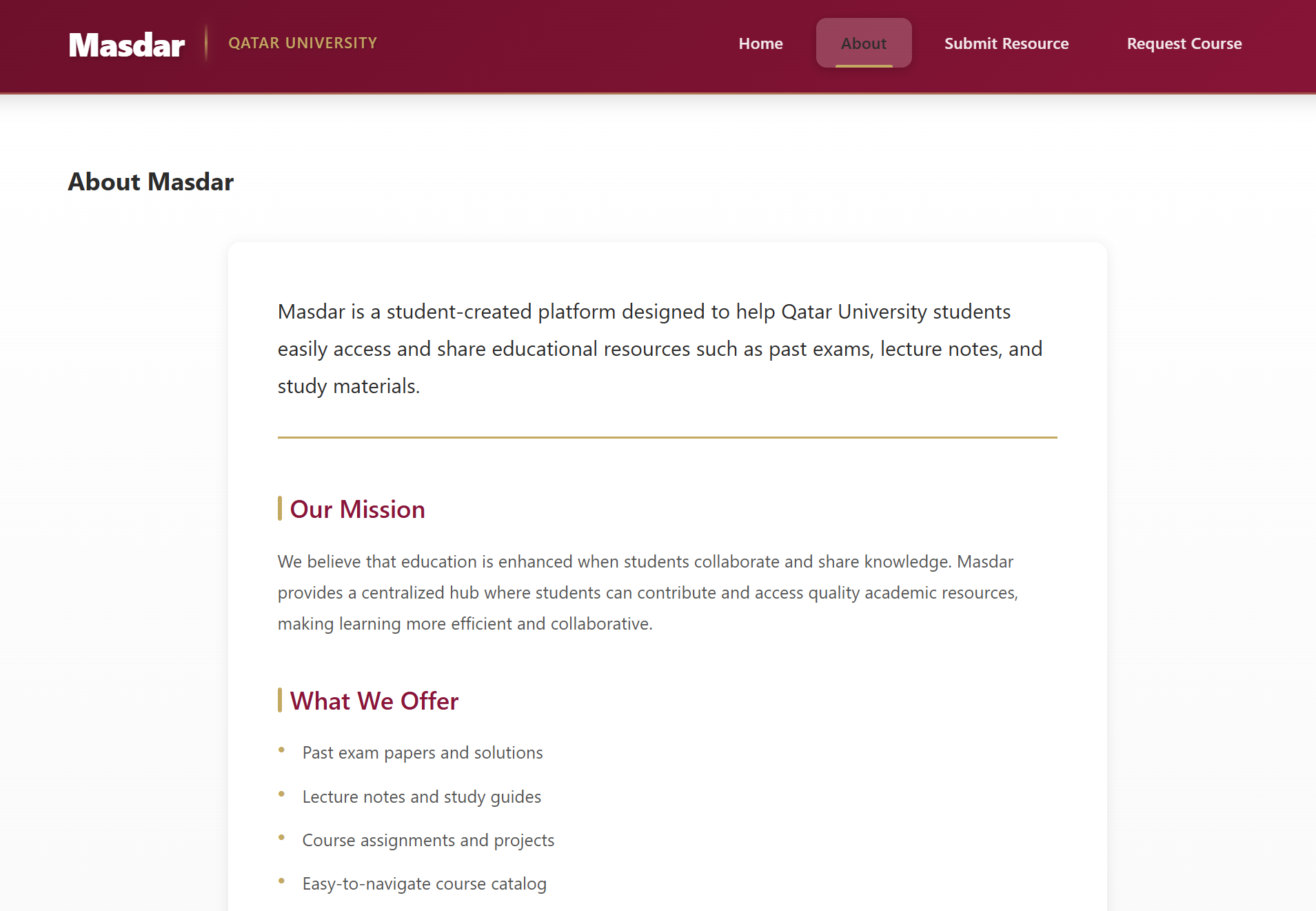
I developed Masdar, a comprehensive educational content platform for Qatar University. This platform allows users to browse courses, view detailed course information, and submit new educational content and resources. The application features a clean, intuitive interface with dedicated sections for course browsing, course details, and content submission.
Course Browsing, Course Details View, Submit Course, Submit Resources, About Page
UNITY ENGINE
Endless Carnage
February 2022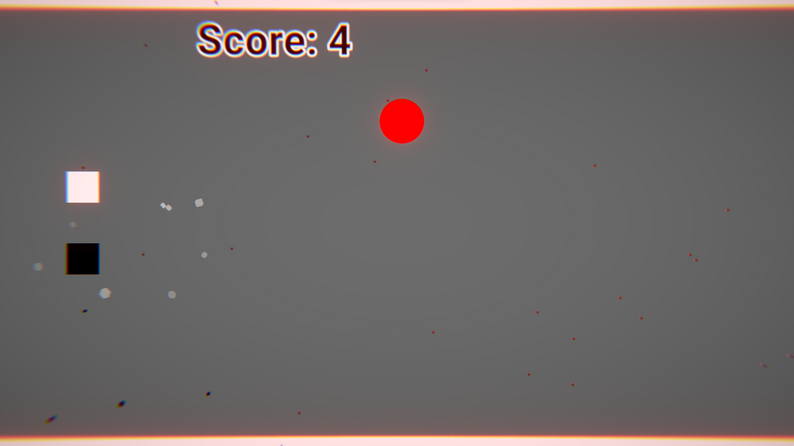
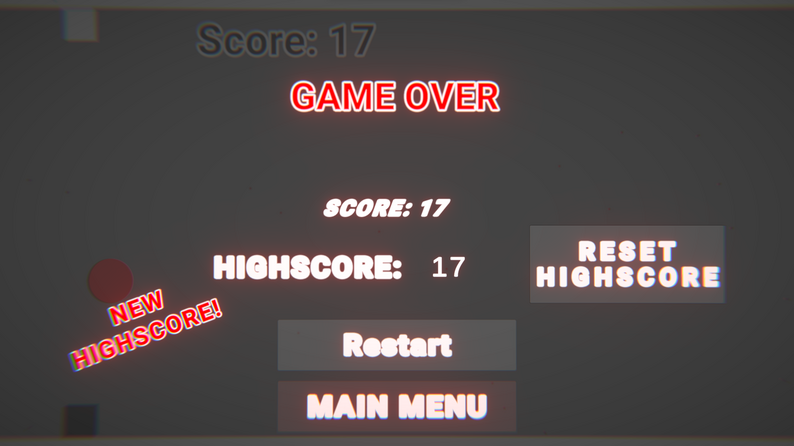
2D Platform Shooter Game made with Unity!
Health system, Projectile system, Enemy Path System
Double Endless
February 2022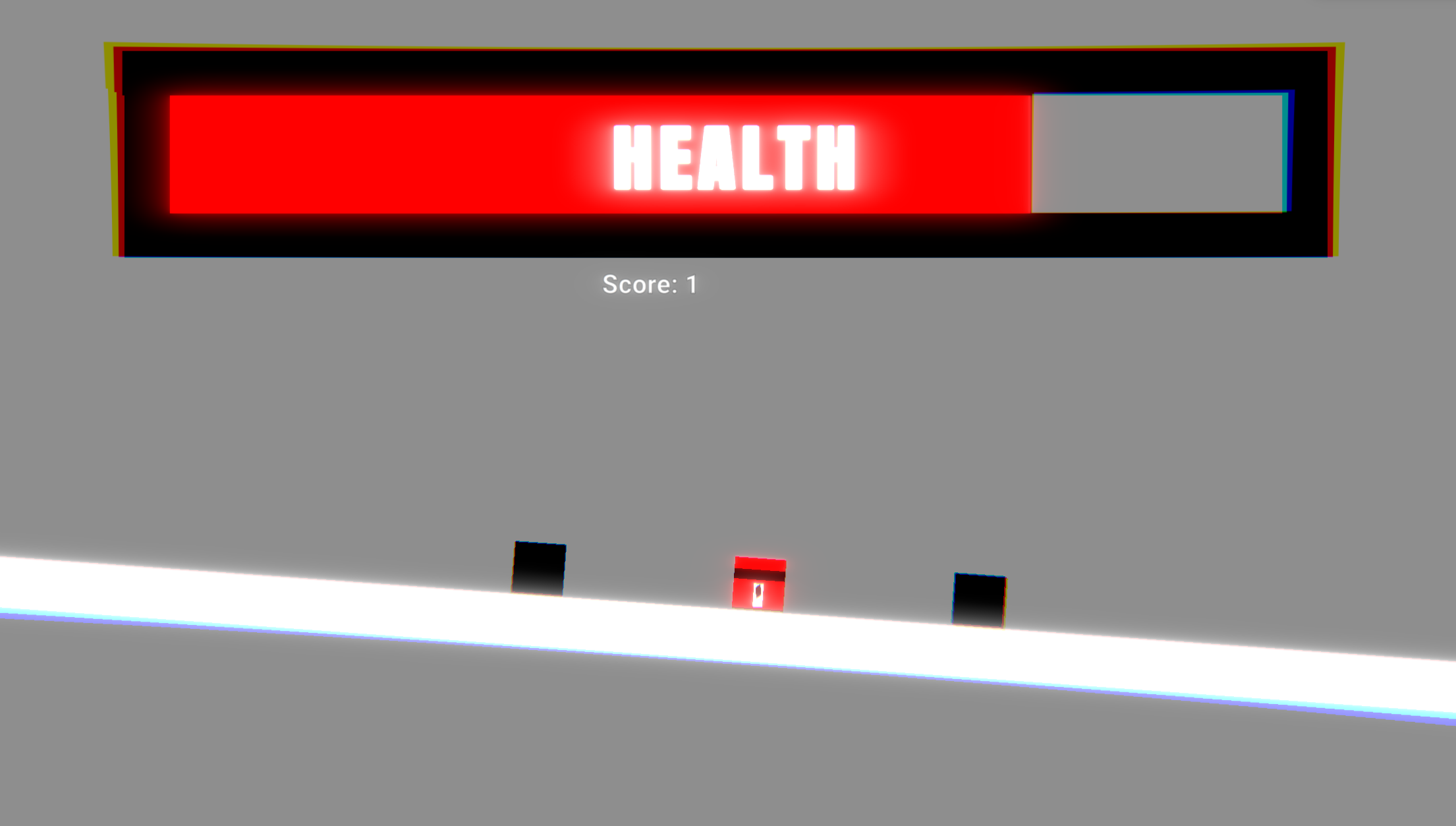
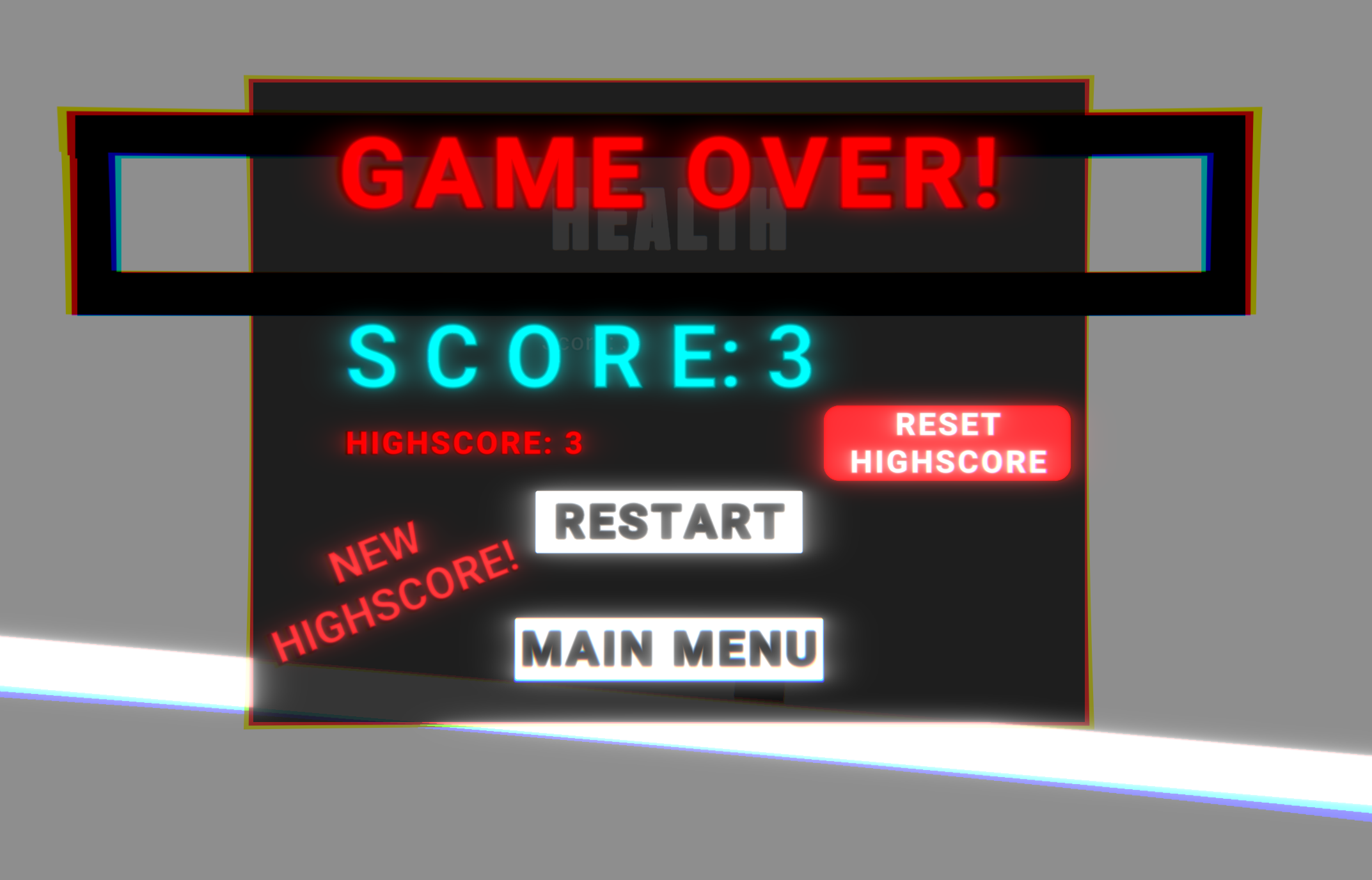
2D Runner Game made with Unity!
Score System, Enemy System, Projectile System
Machine Learning
ML Quadratic Equation Mimicking - Improved
January 2026Improved version of my previously implemented ML model that mimicks the function f(x) = x2
ML Quadratic Equation Mimicking
January 2026Made a basic ML model with 4 neurons, where the model is trained on predicting the outputs of the function of y = x2
ML Linear Regression
January 2026Made a very basic ML Model that predicts slope and y-intersect of a linear function using linear regression. Made this as a practice to improve my knowledge in ML.
TERMINAL BASED
To-Do List
August 2025Keep track of your tasks. Tasks are stored on a local text file. Made using C++.
Adding, Removing, Editing Tasks
Sorting Tasks According to Date
NEWSROOM
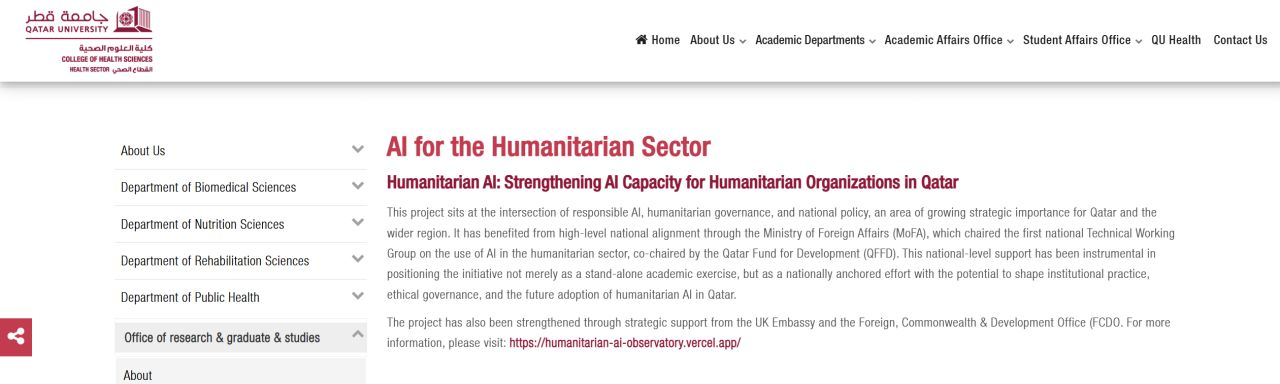
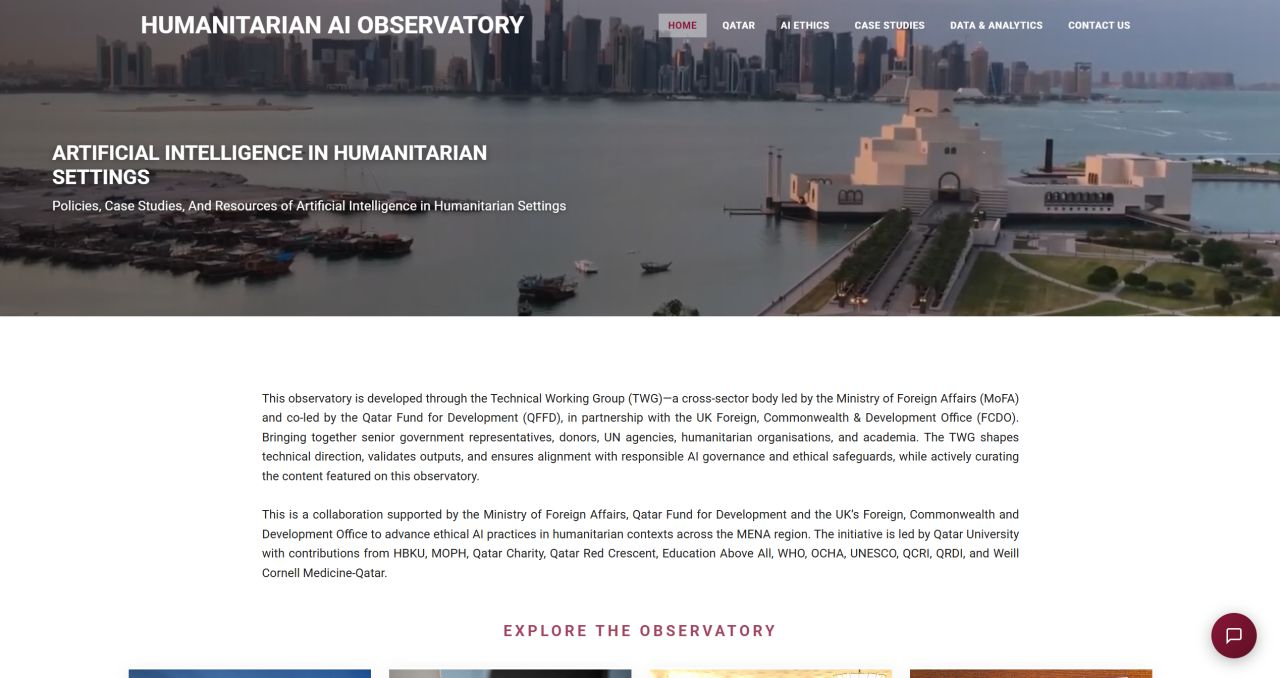
Humanitarian AI Observatory Published on Qatar University's Official Website
31 July, 2026
Humanitarian AI Observatory Published on Qatar University's Official Website
26 June, 2026
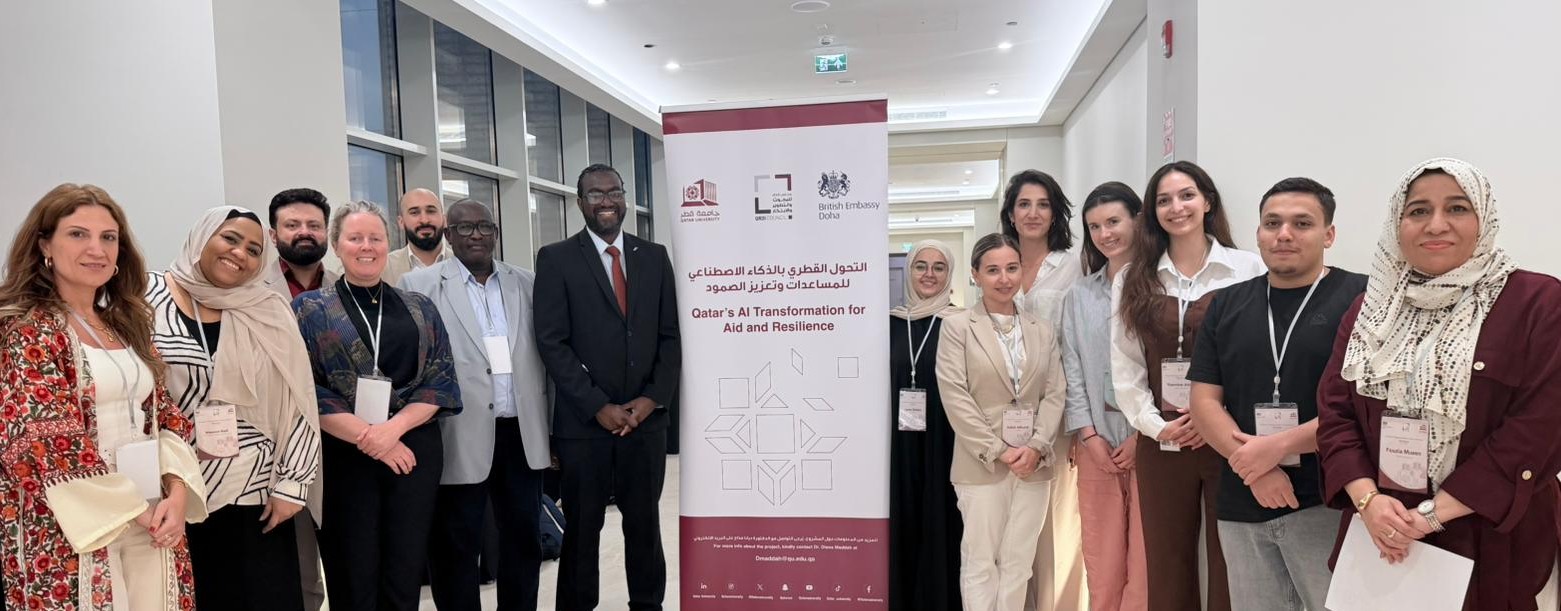
Attended the Final TWG Workshop in the Leading Humanitarian AI Initiative
31 May, 2026
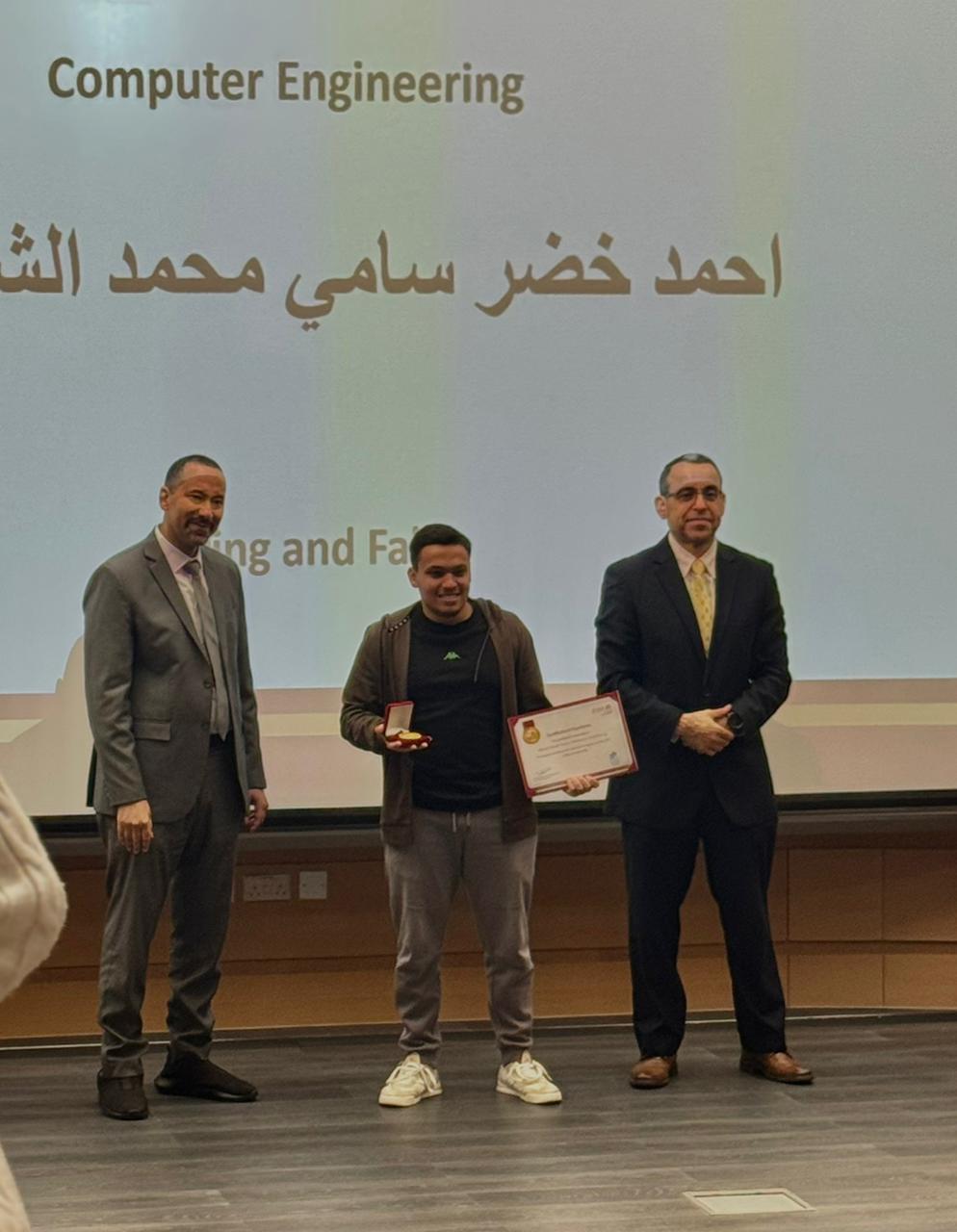
Received Dean's List Award
30 April, 2026
Attended a ML Condensed Course at QU
8 January, 2026
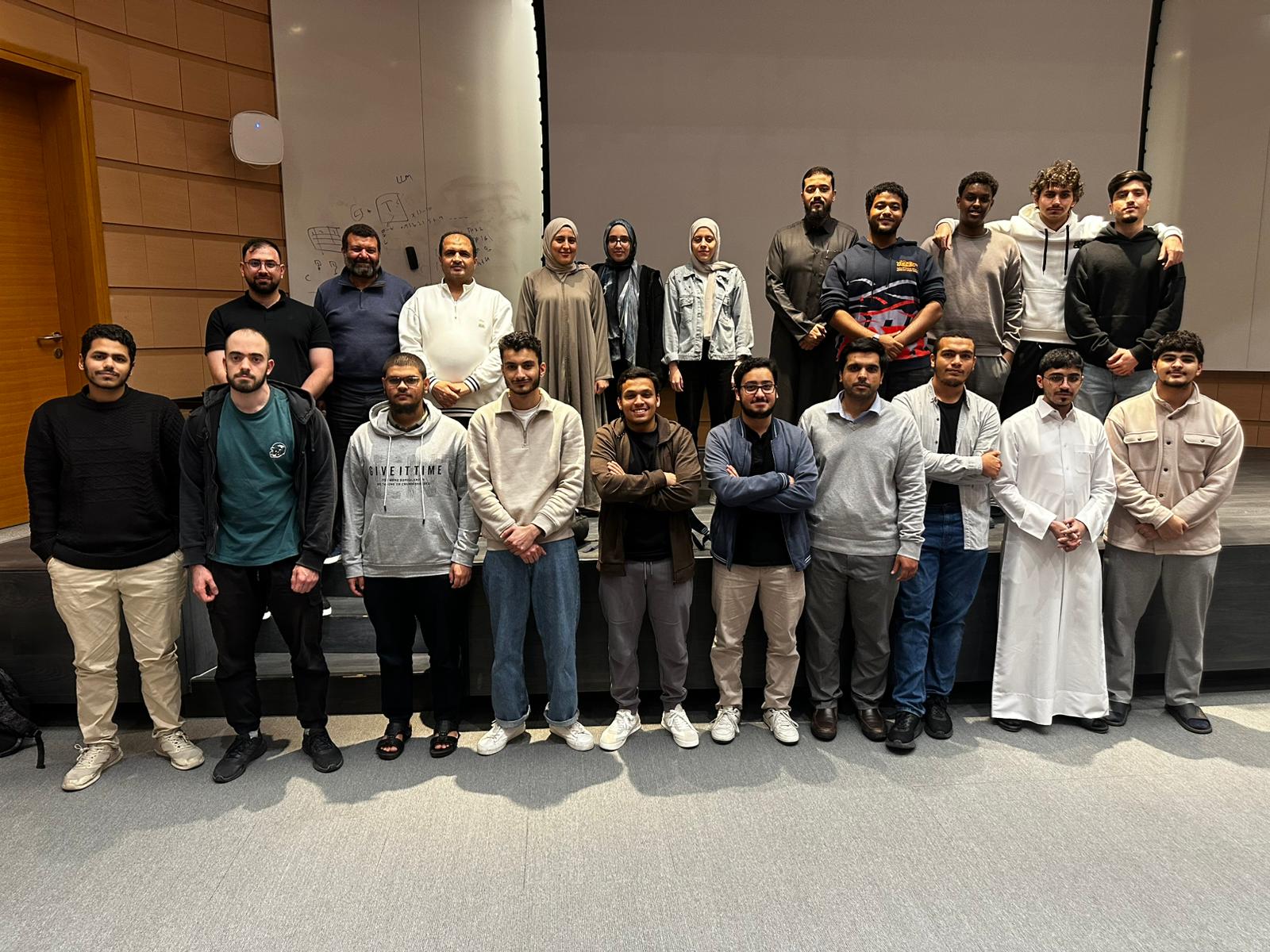
Participated at the Qatar Health Tech Hackathon 2025
4 December, 2025

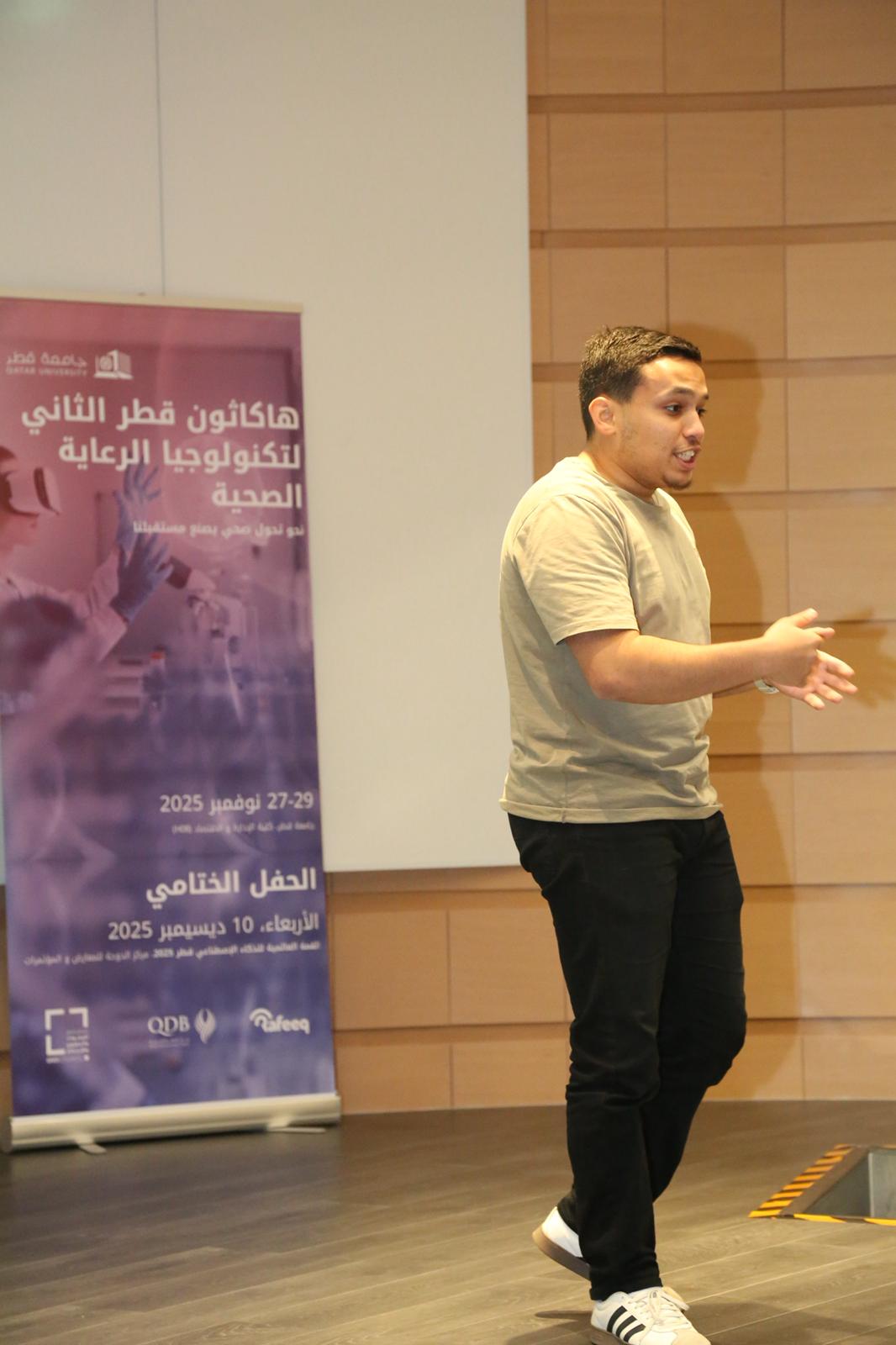
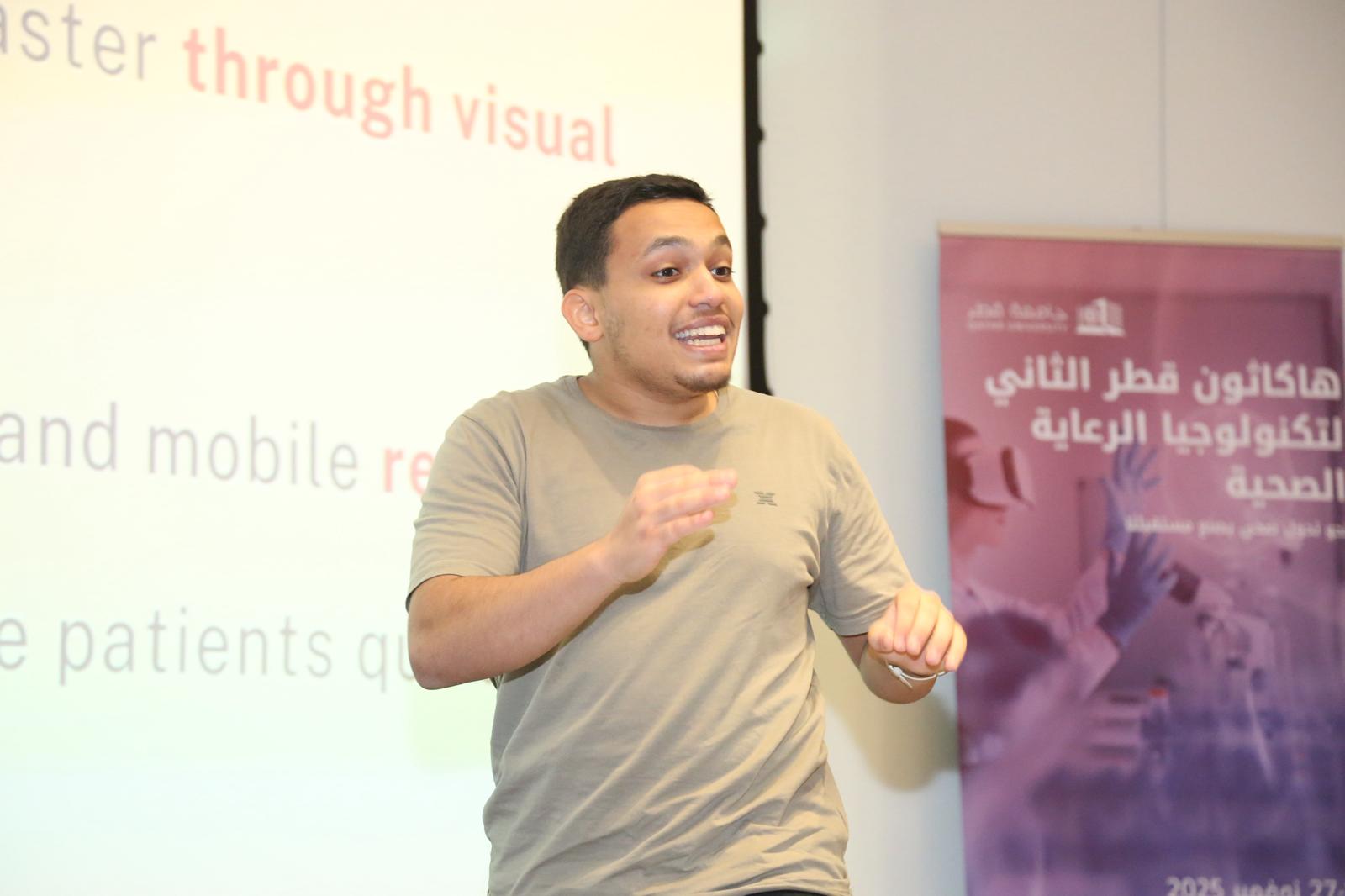
The full project is available on my Github page.
1st PLACE WINNER OF AIX HACKATHON 2025! ($5000)
6 November, 2025
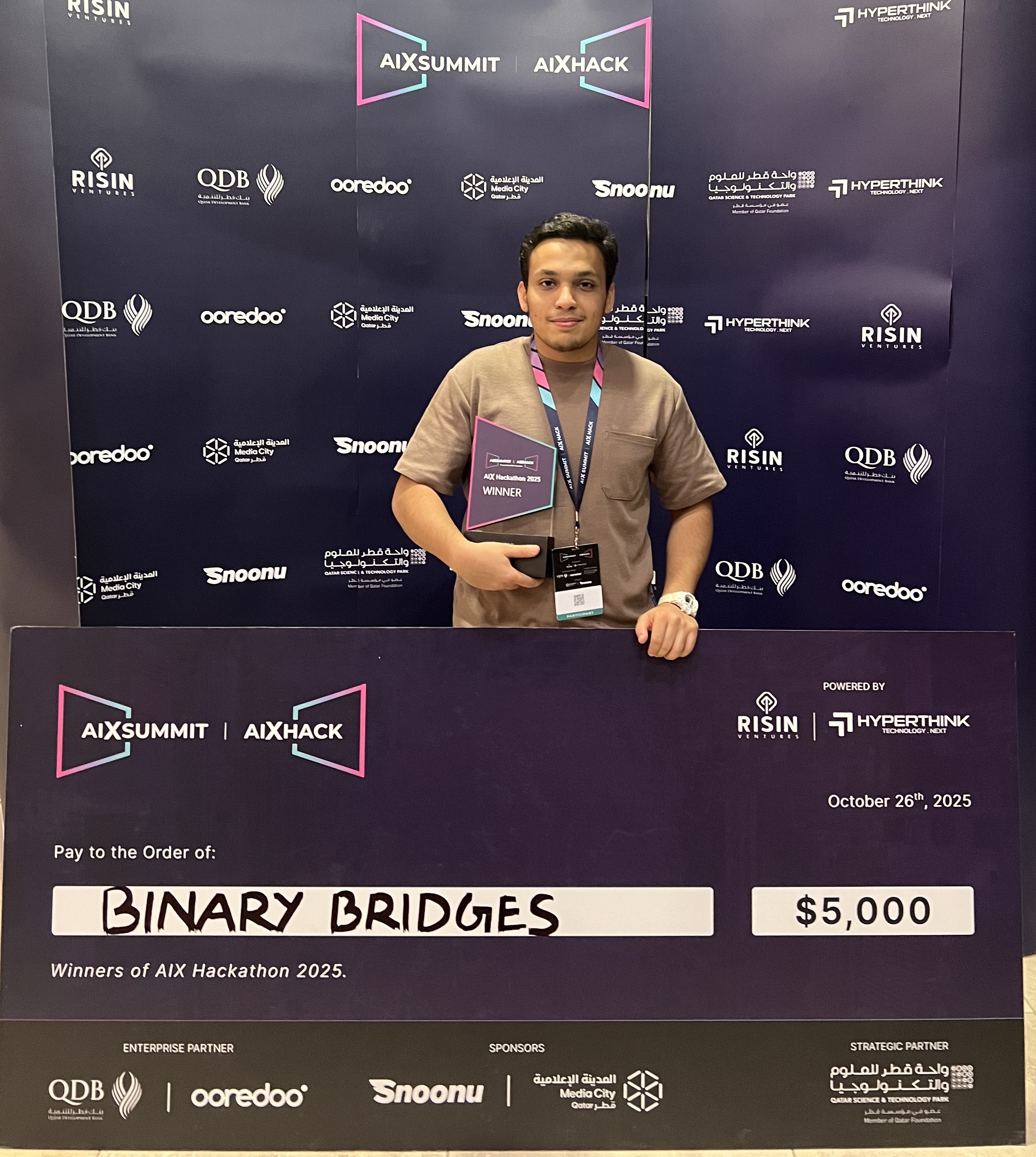
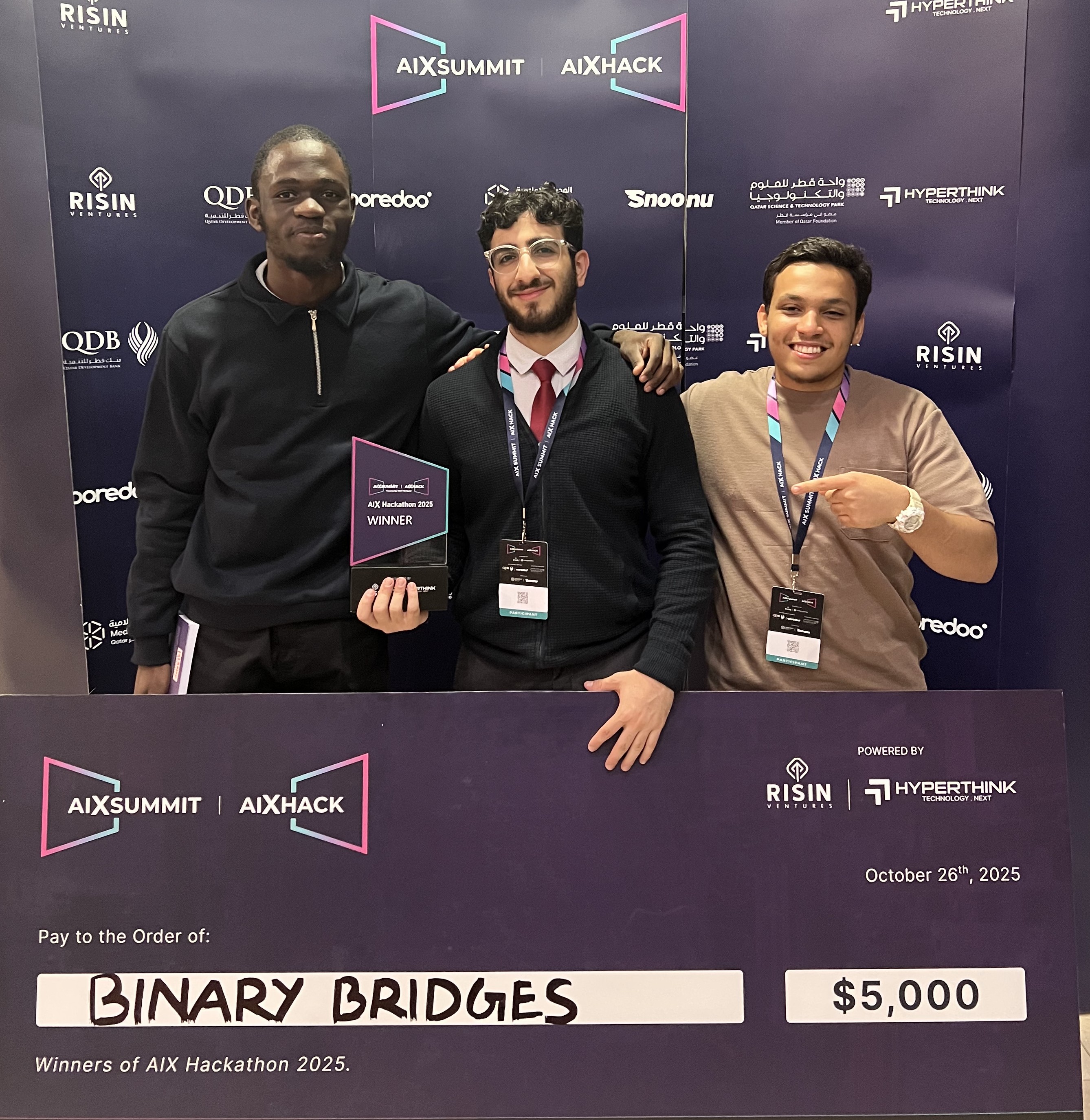
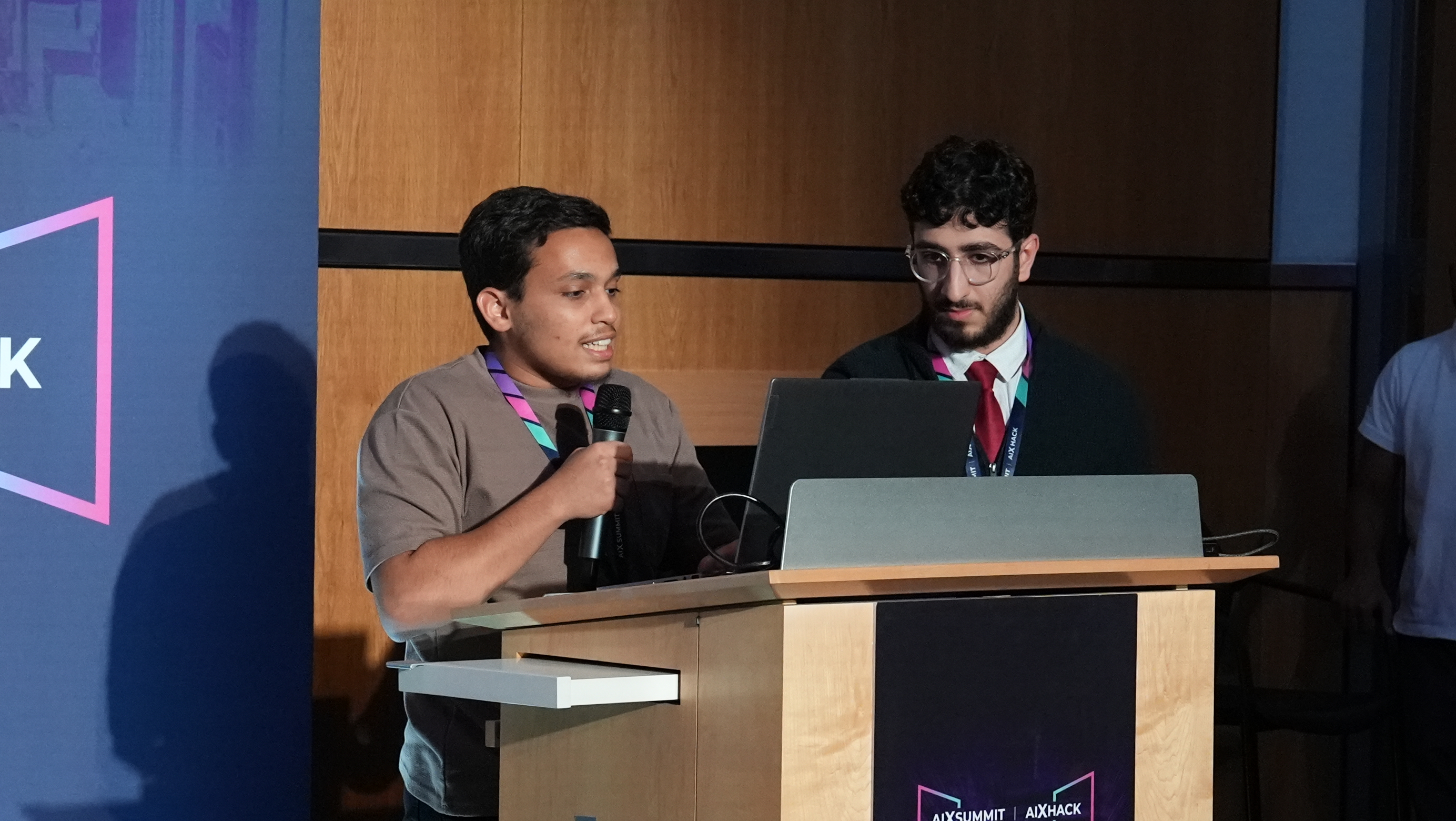
We developed an AI copilot (using Gemini 2.5 pro) that automates investment opportunity analysis for QDB. The solution provides comprehensive reports including key strengths, weaknesses, market position, and competitor analysis, significantly reducing evaluation time and cost.
The full project is available on my Github page.
EXPLANATIONS
Fundamentals of Electric Circuits Notes
March 2026These are the notes I kept while working through my Fundamentals of Electric Circuits course. I start with how to count nodes, branches, and loops, then move through KCL and KVL, voltage and current dividers, and Wye to Delta transformations before getting into Thevenin equivalents and operational amplifier circuits. The last few pages cover the AC side, where I go over phasors, impedance, and why the current lags the voltage by 90 degrees in an inductor. I tried to write each part the way I would explain it to a classmate who missed the lecture.
Machine Learning Condensed Course Notes
January 2026I put these together during the condensed Machine Learning course I took at Qatar University. They cover the three types of learning, the forward pass of a neural network, and how activation functions and softmax turn raw scores into a probability distribution. From there I work through loss functions, gradient descent, and how backpropagation uses the gradient of the cost with respect to every weight and bias, and I finish with deep computer vision and why convolution and pooling handle images better than a fully connected network.
Physics II Notes on Electricity and Magnetism
April 2026These are my notes from Physics II, the electricity and magnetism course. I begin with continuous charge distributions and Gauss's law, including a plain argument for why the flux through a closed surface does not depend on its shape, then move into electric potential, current and drift velocity, and the magnetic field of a current carrying wire from the Biot-Savart law. The final chapters deal with inductance and RLC circuits, where I connect the impedance triangle and AC power back to the phasor picture.
Aircraft Launcher
July 2026Ever wondered how a fighter jet goes from 0 to 250 km/h in just 2 seconds? In this video, I break down the electromagnetic aircraft launch system (EALS), and trace it all the way back to F = IL × B, the fundamental force law governing current-carrying conductors in magnetic fields. I also explored briefly the use of the same concept in Rail Guns, which is a pretty interesting technology.
Why does Integration Yield Area Under the Curve?
June 2026Actually, its much simpler than you think. It all starts with an inequality that states that the actual area is bigger than the lower limit's area, and is smaller than the higher limit's area. After that, its just a pattern skill to know that you should take the limit of h going to 0.
Making a Machine Learning Model on a WhiteBoard
June 2026This tutorial walks you through the process of creating a simple machine learning model on a whiteboard. This model is a simple line with slope m and y-intercept b (bias). In this explanation video, I dive deep into how this connects with real world models, like Computer Vision for example.
Gradients & Their Machine Learning Applications
June 2026Gradients are a fundamental concept in mathematics and machine learning, representing the rate of change of a function with respect to its input variables. In machine learning, gradients are used in optimization algorithms like gradient descent to update model parameters and minimize loss functions.
What is Node Voltage?
June 2026Node voltage is the voltage difference between a node and a reference point (usually ground) in an electrical circuit. It's a fundamental concept in circuit analysis, particularly when using nodal analysis to solve complex circuits. However, it is often not explained clearly in introductory courses. I explained it clearly in descriptive terms.
Why do we use Imaginary Numbers in AC Circuit Analysis?
May 2026Where did Imaginary Numbers Come From in AC Circuit Analysis? Watch as I uncover the mathematical origins and practical applications of imaginary numbers in alternating current (AC) circuit analysis.
RESEARCH
Seeking research opportunities in Embedded Systems, Power Electronics, ML, and Communication. Interested in projects involving hardware-software integration, and autonomous systems. Building foundational skills through Arduino projects and self-directed learning while progressing through Electrical Engineering coursework.